Solution
Dust during silo filling: where to start
Separate filter condition, filling airflow and pressure symptoms before choosing equipment.
Read the solution →
Solution centre
Select an industry, a process question or equipment. Follow the highlighted connections and explore the selected summary.
Solution
Separate filter condition, filling airflow and pressure symptoms before choosing equipment.
Read the solution →Solution
Bring material behaviour, throughput and installation constraints into the same assessment.
Read the solution →Solution
Assess the material, outlet and downstream demand before selecting a flow aid.
Read the solution →Solution
A discharge frame is only one part of the system. Plan the bag connection, material flow, transfer route and downstream demand together.
Read the solution →Solution
Bag opening, tipping and empty-sack disposal each release dust. Review the whole workstation before adding extraction capacity.
Read the solution →Solution
Compare the complete transfer route, material behaviour and receiving equipment—not just a conveyor's nominal capacity.
Read the solution →Solution
Understand the difference between delivering volume and controlling mass, then define the batch or continuous duty clearly.
Read the solution →Solution
Bridging and ratholing can both interrupt discharge, but they are not the same problem. Start with the flow pattern and operating history.
Read the solution →Solution
Tanker inlets, open trucks and stockpiles need different loading arrangements. Match the outlet, travel and dust path to the destination.
Read the solution →Solution
Feeding, shutting off and routing material are separate duties. Start with the function before comparing valve size or price.
Read the solution →Solution
Use pressure-drop trends, cleaning history and visible symptoms to prepare a maintenance enquiry—not a guess at a replacement interval.
Read the solution →Solution
Start with your material and delivery location. Then compare storage volume, transport dimensions and site assembly before choosing the silo and its equipment.
Read the solution →Industry
Explore the process questions linked to this industry. Equipment selection depends on the material and operating conditions.
Explore this industry →Industry
Explore the process questions linked to this industry. Equipment selection depends on the material and operating conditions.
Explore this industry →Industry
Explore the process questions linked to this industry. Equipment selection depends on the material and operating conditions.
Explore this industry →Industry
Explore the process questions linked to this industry. Equipment selection depends on the material and operating conditions.
Explore this industry →Industry
Explore the process questions linked to this industry. Equipment selection depends on the material and operating conditions.
Explore this industry →Industry
Explore the process questions linked to this industry. Equipment selection depends on the material and operating conditions.
Explore this industry →Industry
Explore the process questions linked to this industry. Equipment selection depends on the material and operating conditions.
Explore this industry →Industry
Explore the process questions linked to this industry. Equipment selection depends on the material and operating conditions.
Explore this industry →Equipment
Equipment
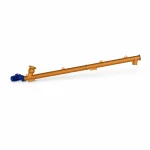 Cement Screw Conveyor→
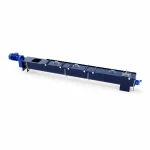 U-Trough Screw Conveyor→
 Shaftless Screw Conveyor→
 Stainless Steel Screw Conveyor→
Stage · 1 solutions
Silo selection & storage
Short answerStart with your material and delivery location. Then compare storage volume, transport dimensions and site assembly before choosing the silo and its equipment.
Read the solutionBig bags & sacks
Short answerA discharge frame is only one part of the system. Plan the bag connection, material flow, transfer route and downstream demand together.
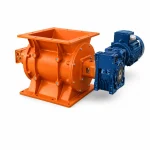

Big bags & sacks
Short answerBag opening, tipping and empty-sack disposal each release dust. Review the whole workstation before adding extraction capacity.

Dust & filtration
Short answerSeparate filter condition, filling airflow and pressure symptoms before choosing equipment.
Read the solutionDust & filtration
Short answerUse pressure-drop trends, cleaning history and visible symptoms to prepare a maintenance enquiry—not a guess at a replacement interval.
Read the solutionDischarge & flow
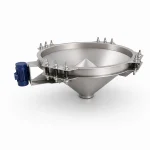
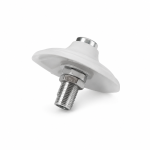
Short answerAssess the material, outlet and downstream demand before selecting a flow aid.

Discharge & flow
Short answerBridging and ratholing can both interrupt discharge, but they are not the same problem. Start with the flow pattern and operating history.

Discharge & flow
Short answerFeeding, shutting off and routing material are separate duties. Start with the function before comparing valve size or price.

Screw conveying
Short answerBring material behaviour, throughput and installation constraints into the same assessment.
Read the solutionScrew conveying
Short answerCompare the complete transfer route, material behaviour and receiving equipment—not just a conveyor's nominal capacity.
Read the solutionDosing & feeding
Short answerUnderstand the difference between delivering volume and controlling mass, then define the batch or continuous duty clearly.
Loading & dispatch
Short answerTanker inlets, open trucks and stockpiles need different loading arrangements. Match the outlet, travel and dust path to the destination.
No solution matches. Try another word or clear the filters.
Preliminary estimates to bring to the discussion.
eQUIP
Tell us what material you handle, what happens and what you want to achieve. Photographs and operating data help us understand your application.