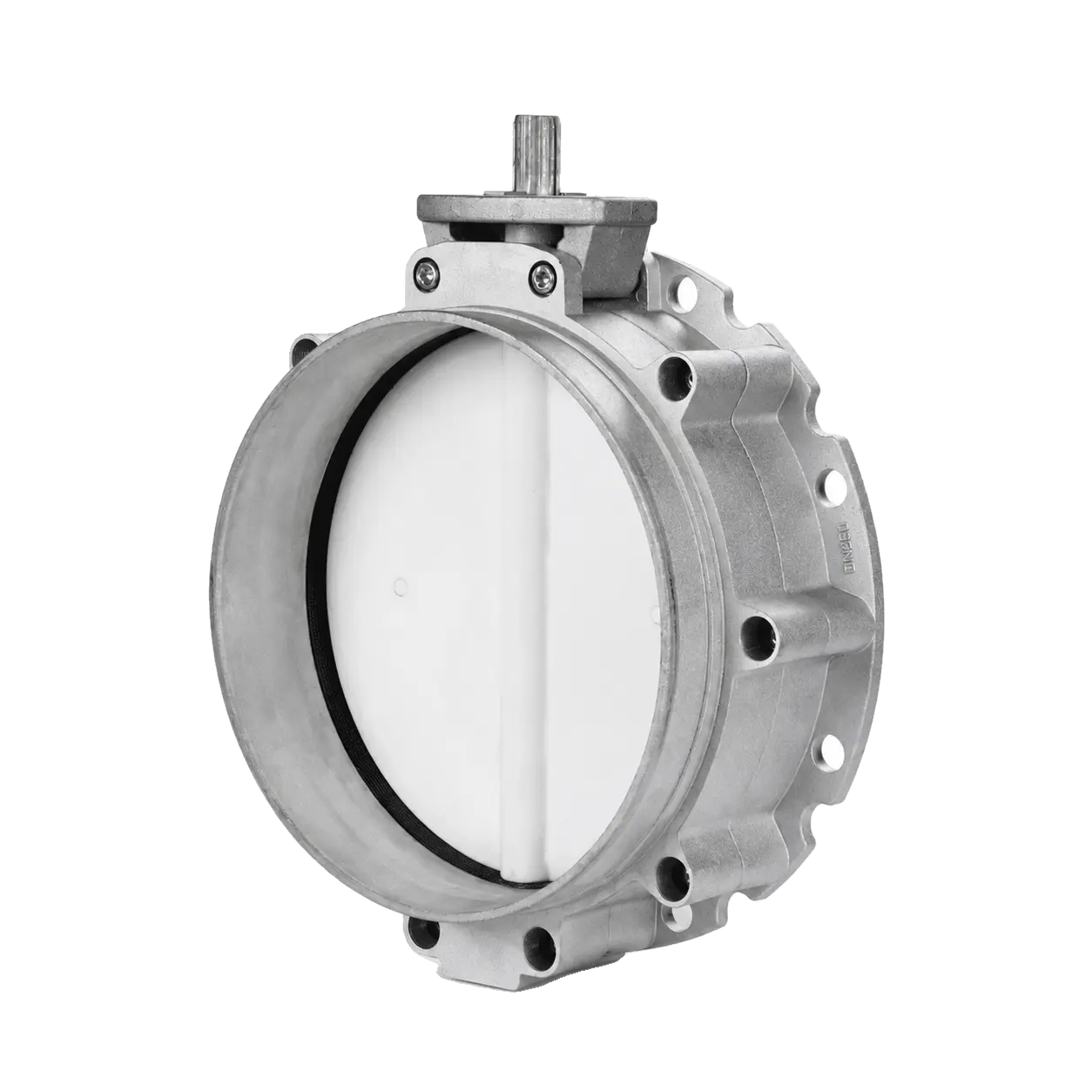
Butterfly Valve
Controls the material path at a silo, hopper or transfer connection.
Installation area · Silo or hopper outletTechnical page & enquiry
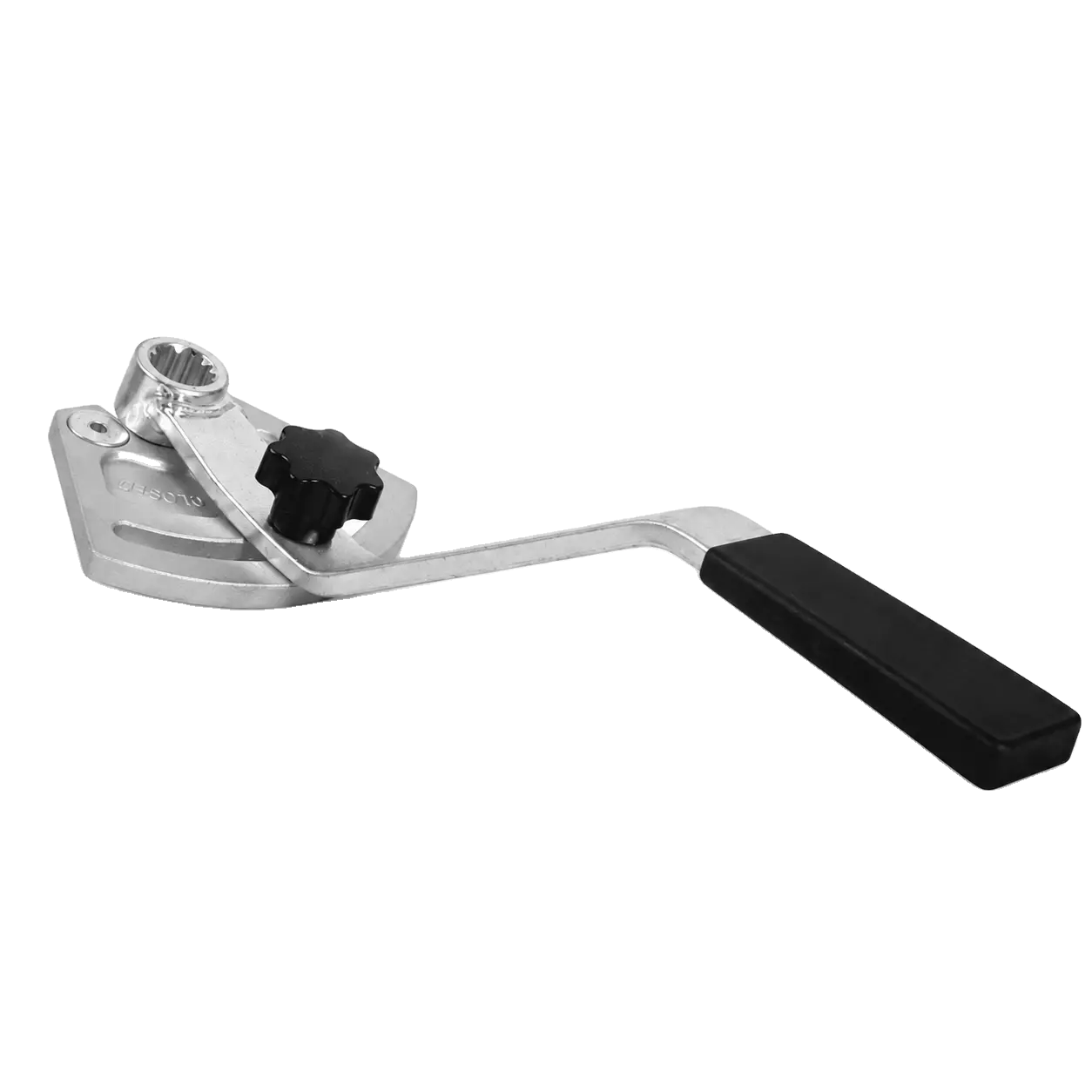
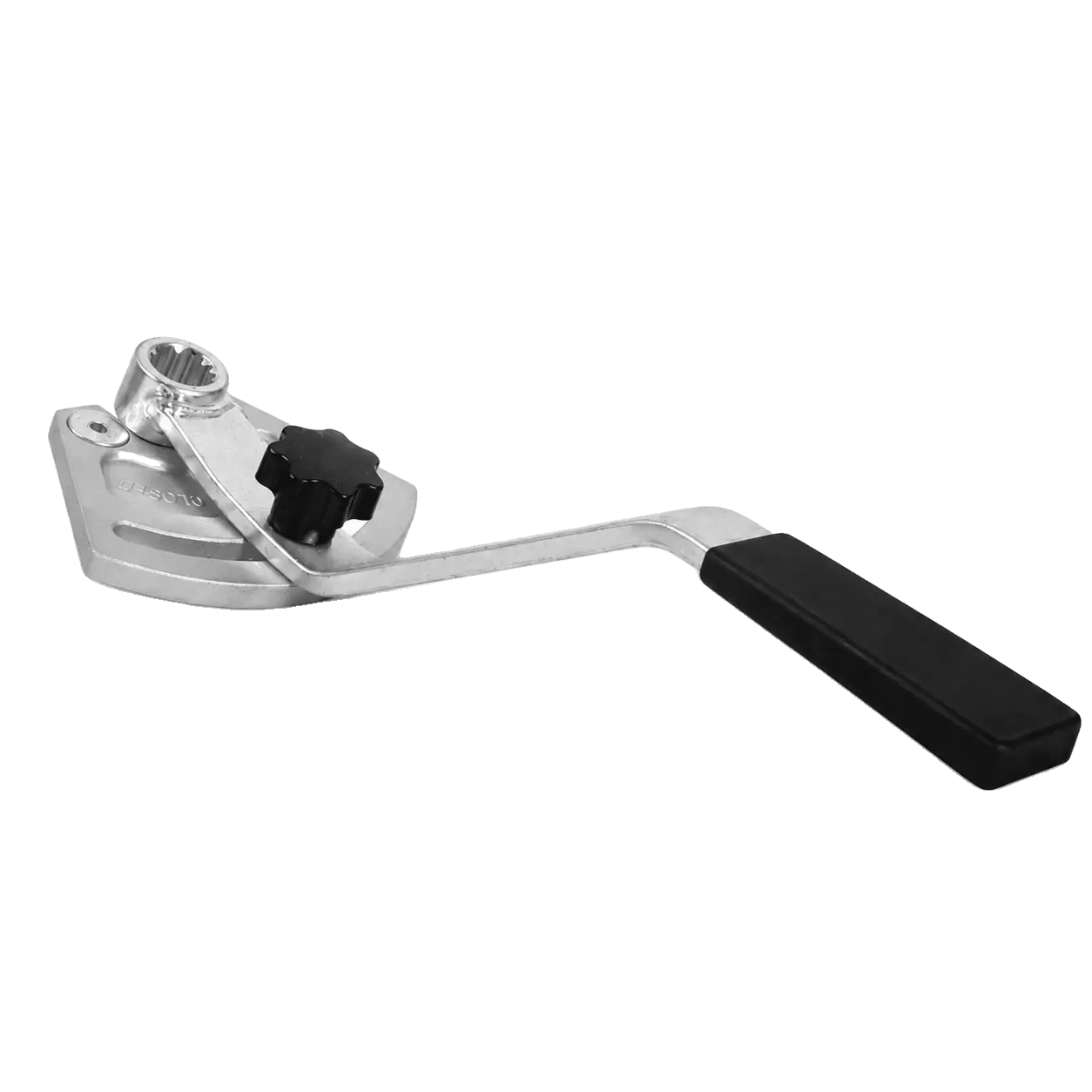
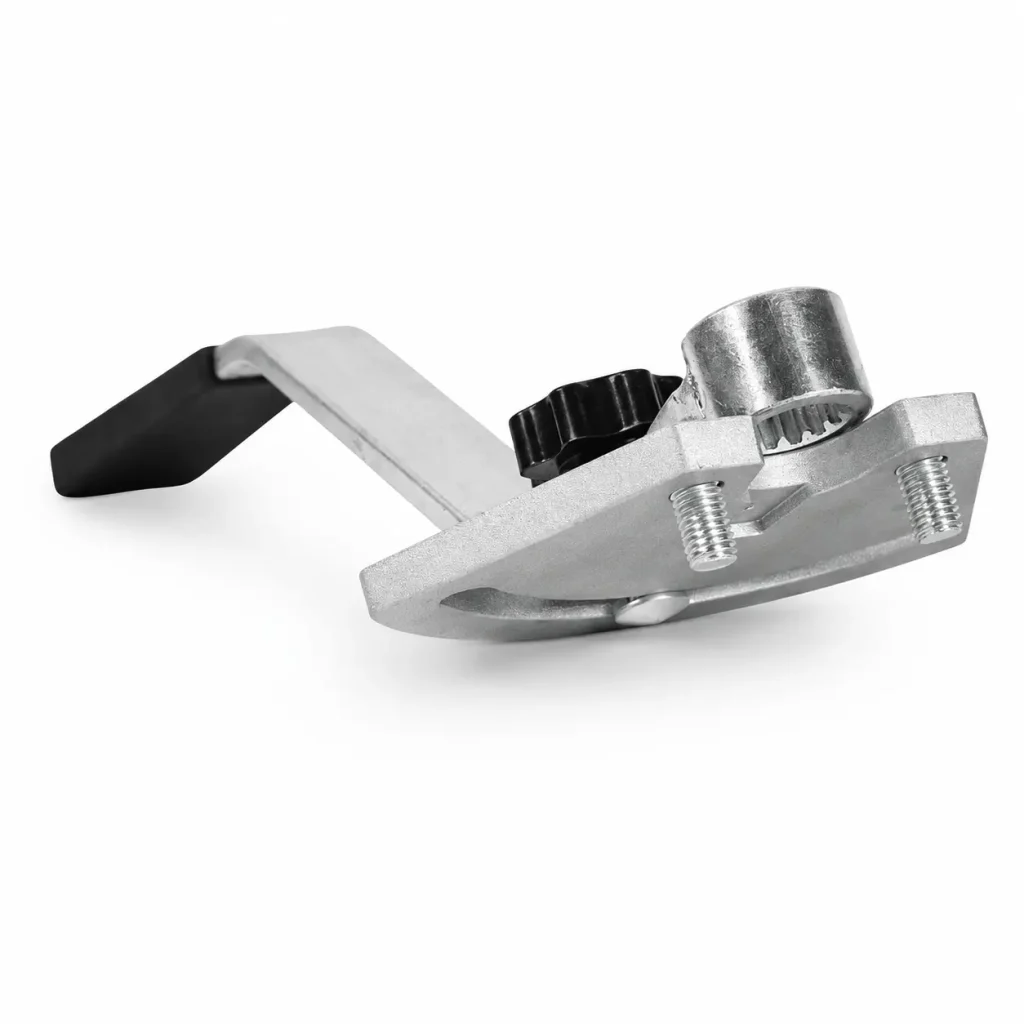
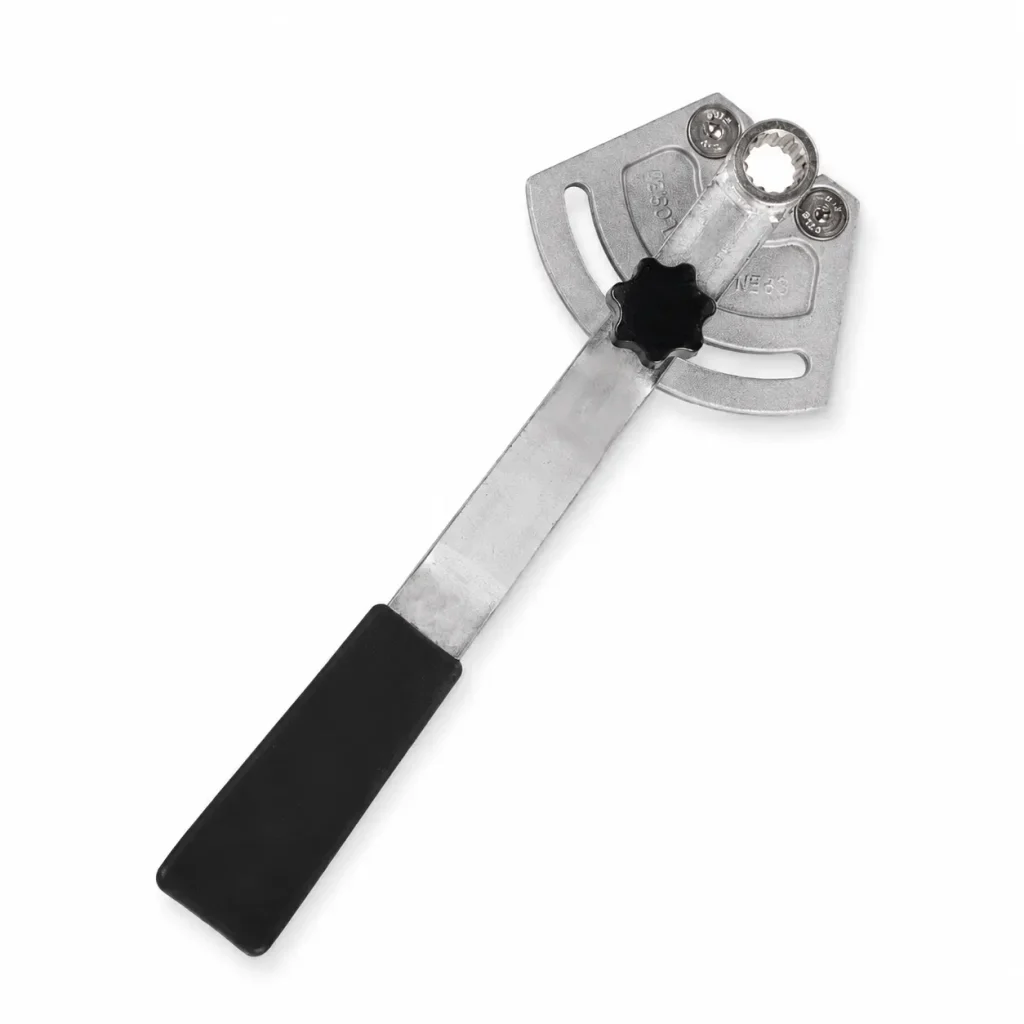
Manual Lever Actuator is used for manual opening and closing of valves, dampers and silo equipment in dry bulk material handling systems. eQUIP supplies manual lever actuators for butterfly valves, slide gate valves and similar equipment used in cement silos, powder handling lines, batching plants and industrial bulk material systems.
Final configuration and suitability require a technical review of your material and operating conditions.
A manual lever actuator provides a simple hand-operated control solution when pneumatic or electric actuation is not required. By moving the lever, the operator can open, close or position the connected valve or mechanism manually. This makes it suitable for applications where basic, reliable and cost-effective manual operation is preferred.
Manual lever actuators can be selected according to valve type, shaft connection, operating angle, torque requirement, mounting position, handle length and equipment design. They are commonly used on silo valves, butterfly valves, slide gate valves and other flow control components in cement, fly ash, lime, powder and granule handling systems.
Related selection guide: Compare shut-off, feeding and routing duties, including actuator and position-feedback requirements, in the valve selection guide. This guide supports the application discussion; compatibility with the specific assembly still needs confirmation. Rotary valve, slide gate or diverter: three different jobs.
A manual lever actuator converts hand movement into mechanical rotation or positioning force for a connected valve or equipment component. It allows the operator to control the open-close movement without using compressed air, electricity or automatic control systems.
In dry bulk material handling systems, manual actuation is often preferred for simple shut-off points, maintenance positions, backup operation or low-frequency valve operation. The actuator helps provide direct manual control for equipment installed under silos, hoppers, conveyors or transfer points.
Where it is used
The general catalogue is public. Order-specific drawings and datasheets are available only through an authorized account.
Browse the public e-catalogueOnly documents assigned to your account for a specific order and equipment are available here. Membership approval alone does not grant document access.
My orders and documentsHow to select
The selection of a manual lever actuator depends on the valve type, shaft size, connection detail, operating torque, rotation angle, handle position, installation space and working environment. eQUIP can supply manual lever actuator configurations for silo valves, butterfly valves, slide gate valves and other manually operated flow control equipment.
For powder applications such as cement, fly ash and lime, the connected valve should be selected according to material flow, dust level and sealing requirement. The manual actuator should provide sufficient leverage for smooth operation while remaining suitable for the installation position and operator access.
Request a quotation
Final configuration and suitability require a technical review of your material and operating conditions.
Questions buyers ask
A manual lever actuator is a hand-operated mechanism used to open, close or position a valve or flow control component. It allows manual control without pneumatic or electric actuation.
Manual lever actuators are used on butterfly valves, slide gate valves, dampers, silo valves and other flow control equipment in cement, powder, granule and dry bulk material handling systems.
No. A manual lever actuator is operated by hand using a lever. A pneumatic actuator uses compressed air to operate the valve automatically or remotely.
Yes. Manual lever actuators are commonly used on butterfly valves where simple manual open-close control is required.
Yes. Depending on the valve design, manual lever or hand-operated mechanisms can be used for slide gate valves and similar shut-off equipment.
Manual operation is preferred when the valve is operated infrequently, when automation is not required, or when a simple and economical control solution is enough for the application.
The price depends on actuator size, handle design, shaft connection, torque requirement, locking option, material, valve compatibility and project-specific requirements.
Complete your selection
Explore related components and replacement parts. Final selection depends on the model, connections and operating conditions.
Controls the material path at a silo, hopper or transfer connection.
Installation area · Silo or hopper outletTechnical page & enquiry
Provides pneumatic operation of the selected valve assembly.
Installation area · Valve actuationTechnical page & enquiry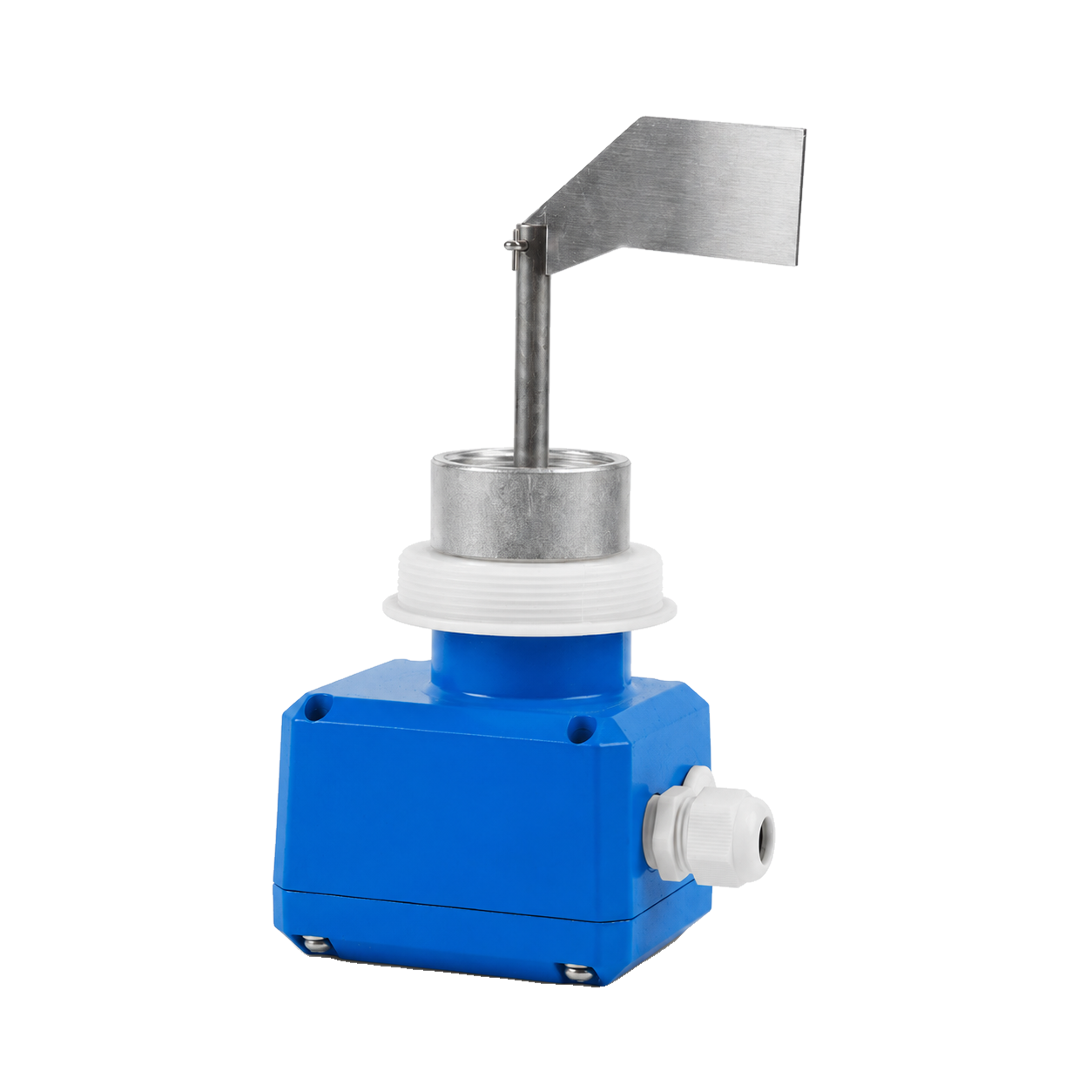
Monitors material level as part of the silo filling arrangement.
Installation area · Silo wall or roofTechnical page & enquiry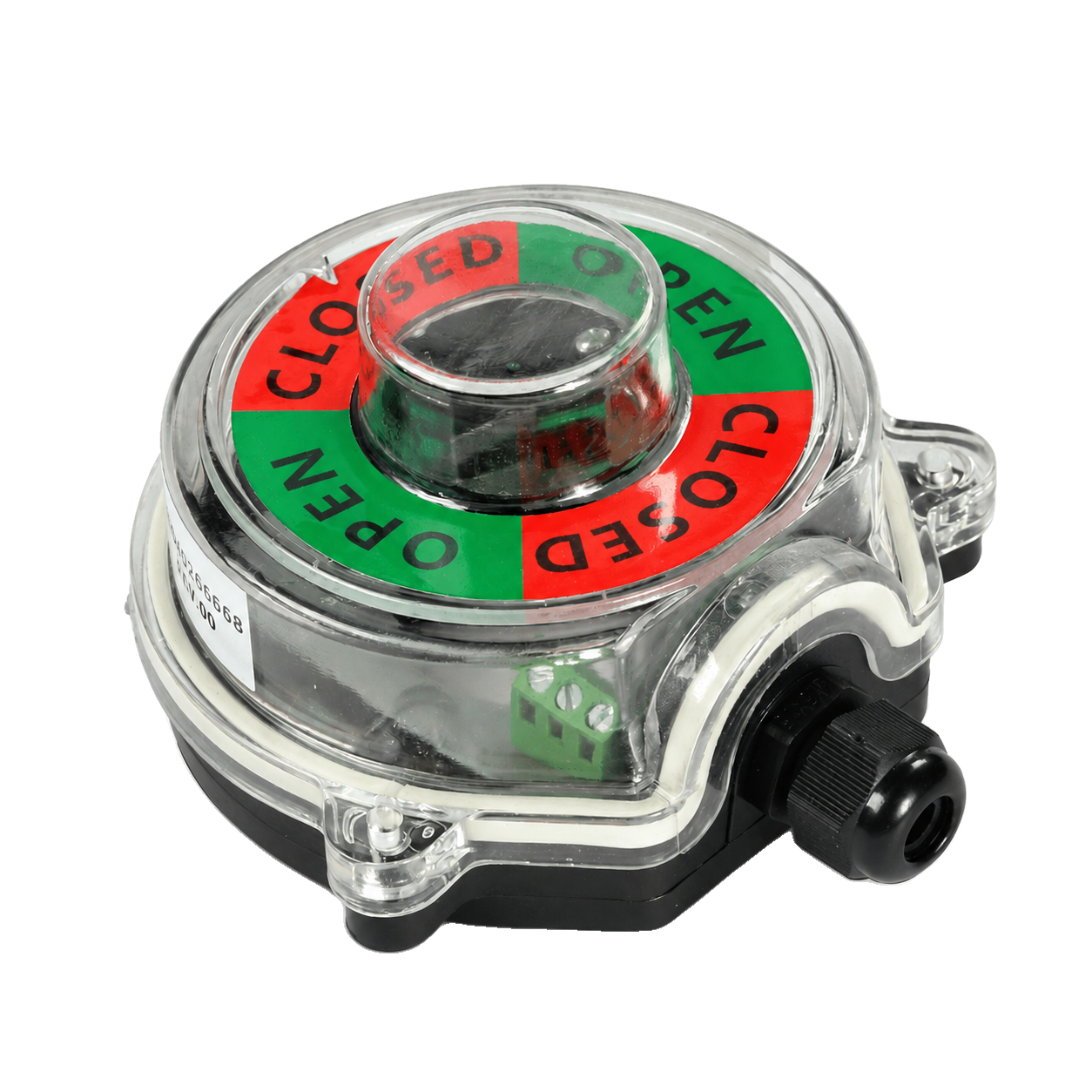
Provides position feedback for an actuator assembly.
Installation area · Actuator position feedbackTechnical page & enquiry


