
Pneumatic Actuator
Provides pneumatic operation of the selected valve assembly.
Installation area · Valve actuationTechnical page & enquiry
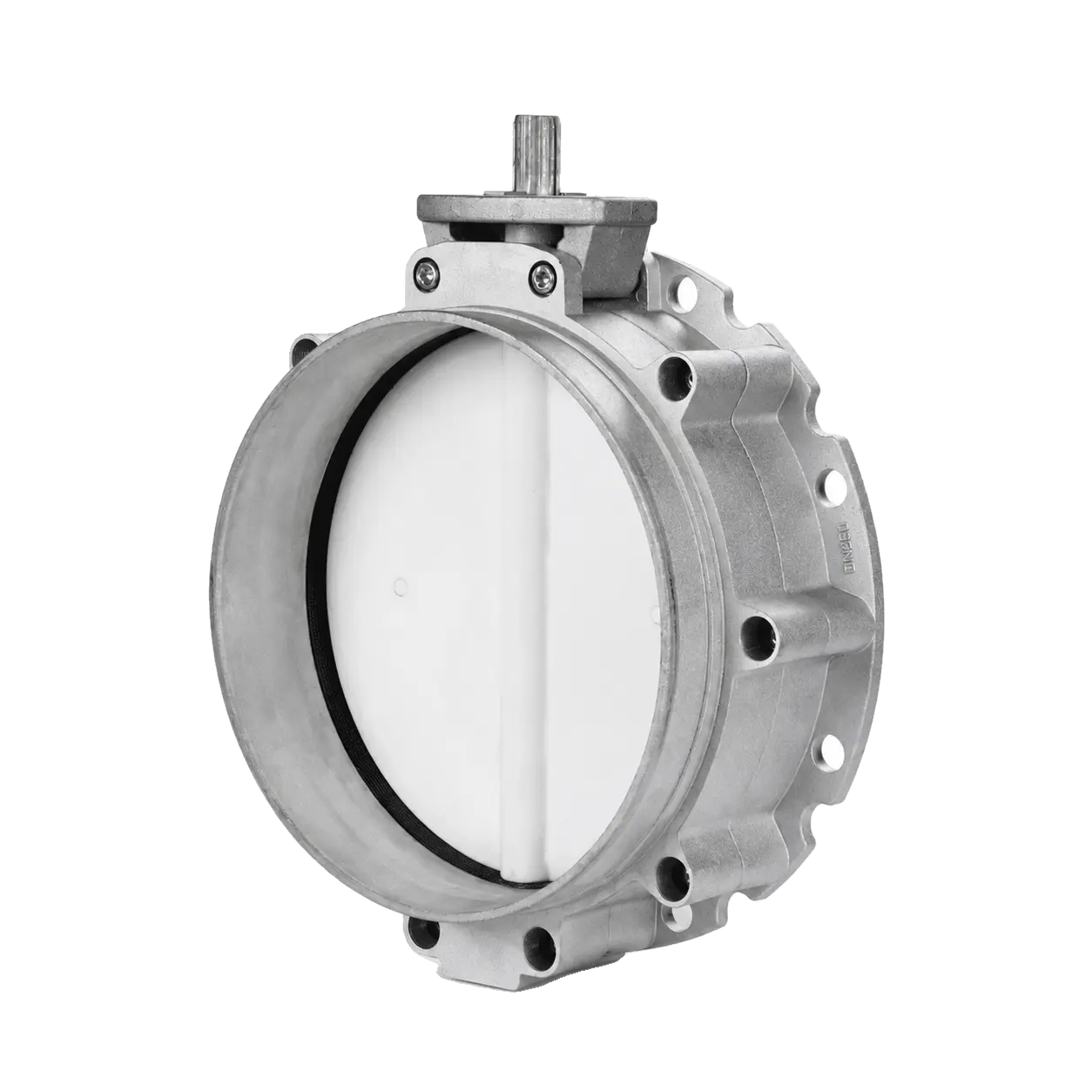
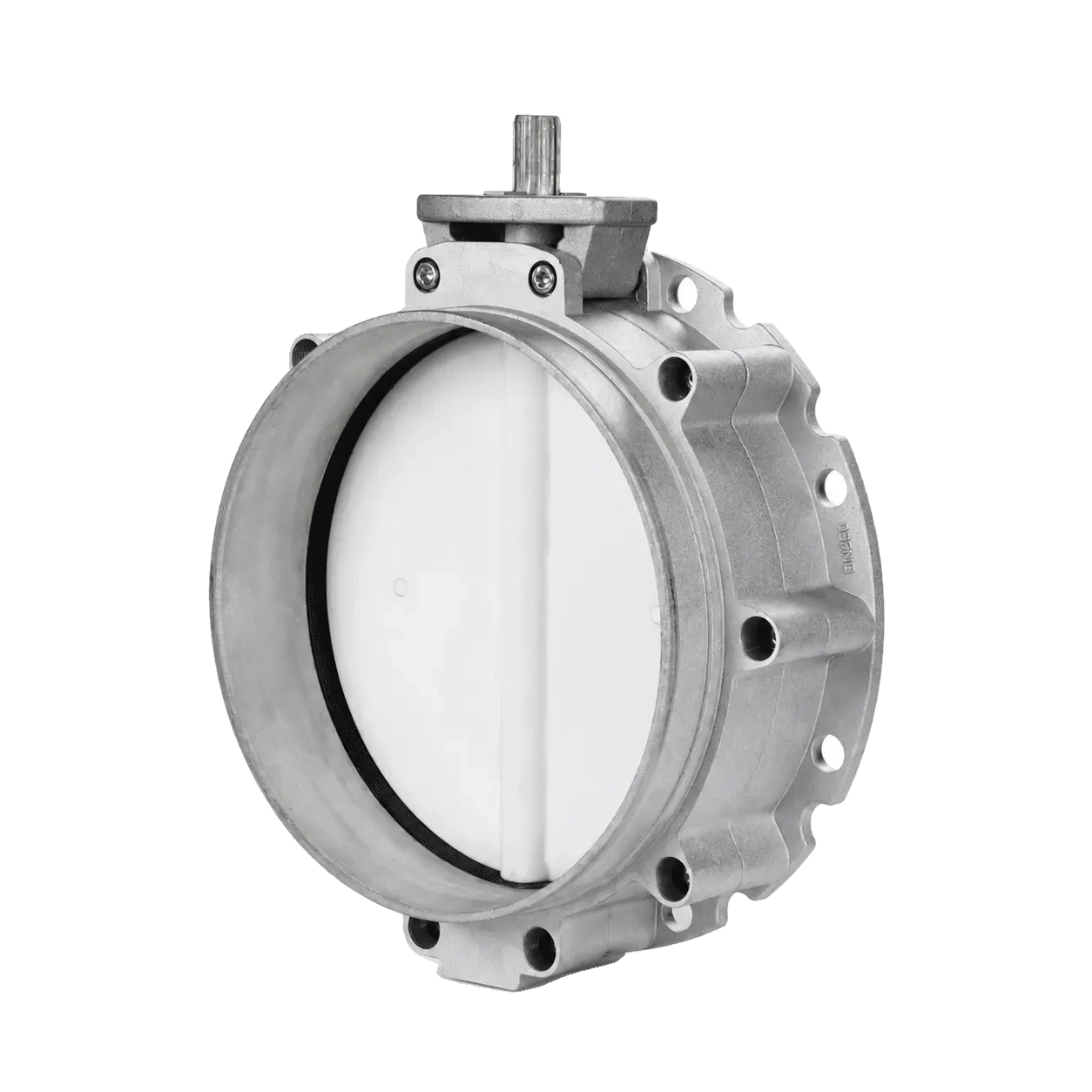
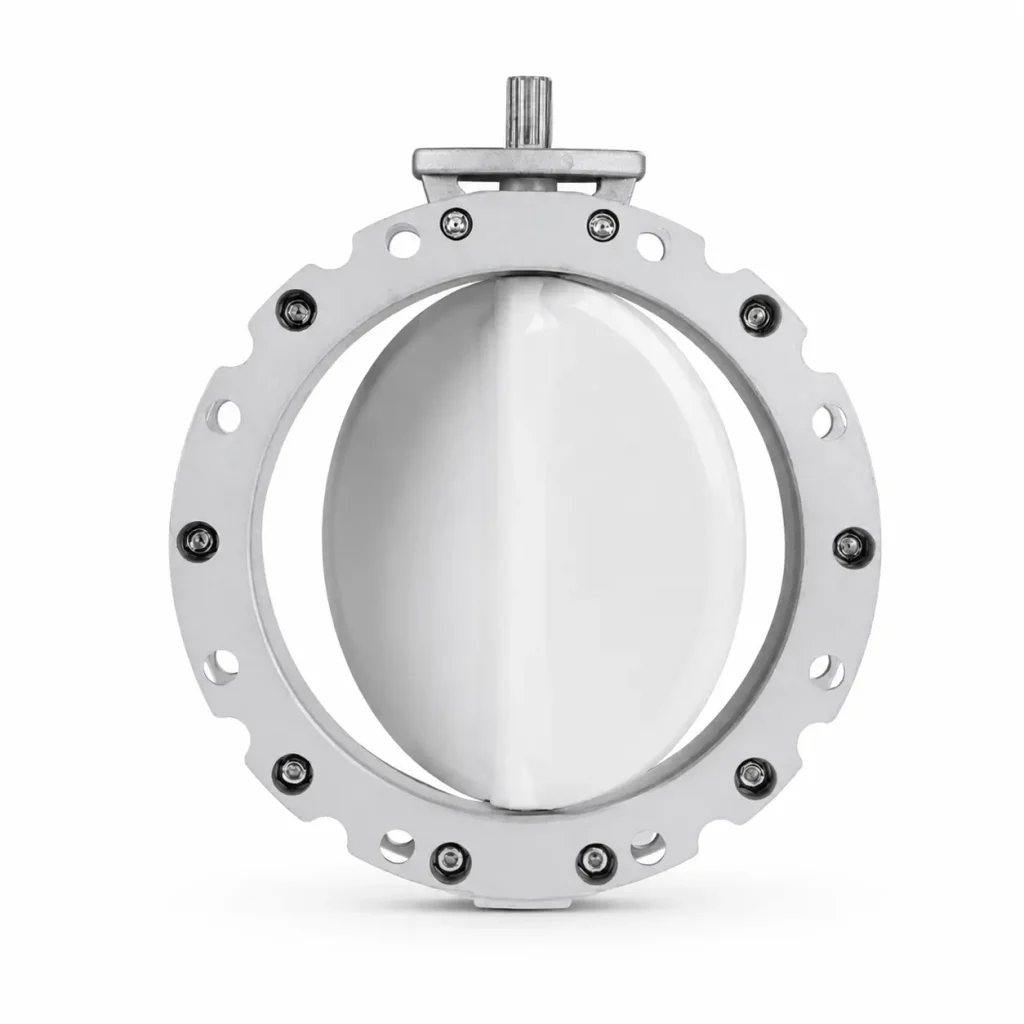

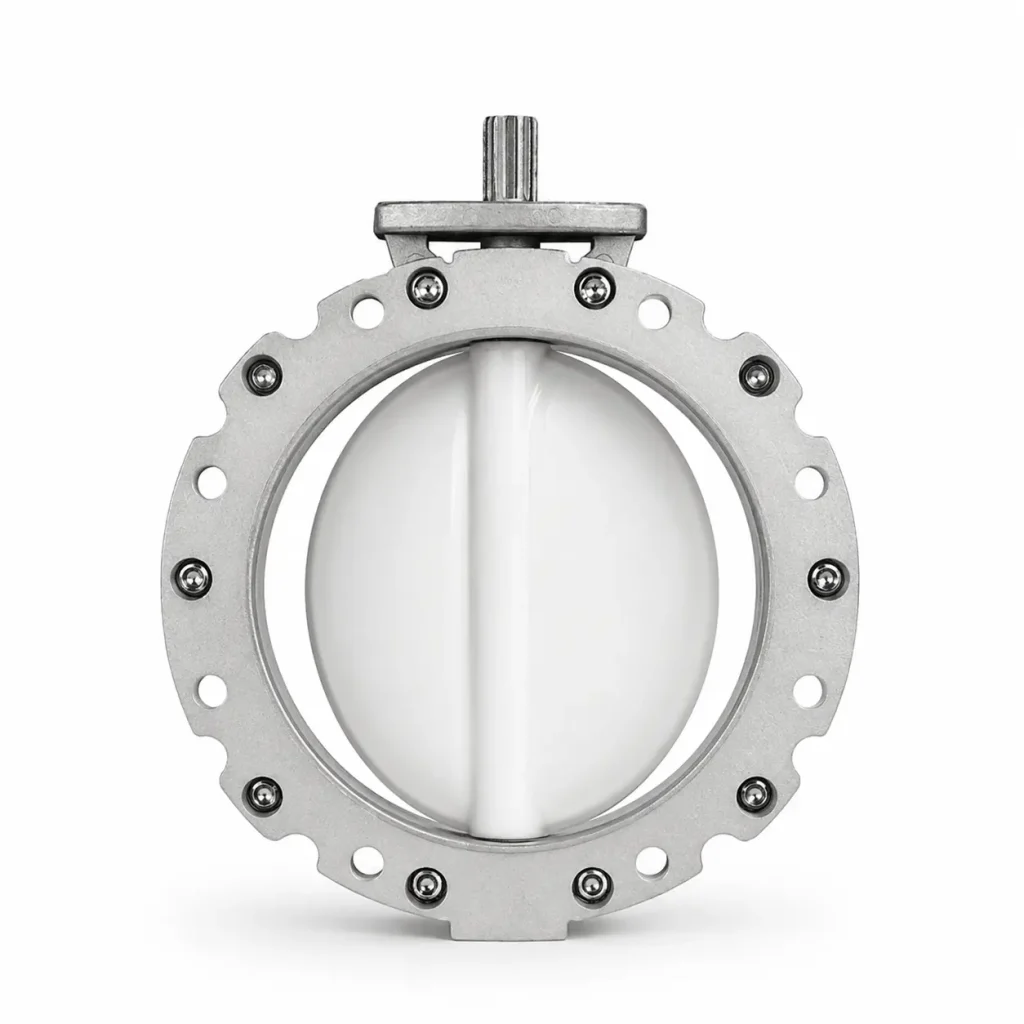
eQUIP manufactures butterfly valves for controlled shut-off and flow control of powders, granules and dry bulk materials in industrial handling systems. These valves are designed for silo outlets, hopper discharge points, screw conveyor inlets, loading systems and powder processing lines where reliable open-close operation and dust-tight performance are required.
Final configuration and suitability require a technical review of your material and operating conditions.
A butterfly valve uses a rotating disc inside the valve body to open or close the material flow path. In dry bulk applications, it helps control the discharge of cement, fly ash, lime, mineral powders, granules and similar materials from silos, bins, hoppers or process equipment.
Depending on the application, the valve can be supplied with manual lever operation, pneumatic actuator operation, suitable inlet and outlet flanges, sealing options, body material selection and surface treatment according to project requirements. It can be integrated with screw conveyors, loading bellows, rotary valves, silo discharge systems and other bulk material handling equipment.
A butterfly valve is used to open, close or isolate the flow of dry bulk materials at silo outlets, hopper discharge points and process equipment connections. When the disc rotates, the valve either allows material to pass through or blocks the flow path.
In powder handling systems, butterfly valves are commonly used as compact shut-off valves under silos or above screw conveyors, loading bellows and discharge equipment. They help support controlled discharge, cleaner operation and safer maintenance access.
Where it is used
The general catalogue is public. Order-specific drawings and datasheets are available only through an authorized account.
Browse the public e-catalogueOnly documents assigned to your account for a specific order and equipment are available here. Membership approval alone does not grant document access.
My orders and documentsHow to select
The design of a butterfly valve depends on the material type, valve diameter, installation position, flow characteristics, operating frequency, sealing requirement and actuation method. eQUIP can configure the valve body, disc, seal, flange connection, operating mechanism and surface protection according to the project.
For abrasive powders such as cement, fly ash or mineral materials, suitable material selection and wear-resistant options can be considered. For automated operation, the valve can be supplied with a pneumatic actuator, position indicator, limit switch box and control accessories according to the plant requirements.
Request a quotation
Final configuration and suitability require a technical review of your material and operating conditions.
Questions buyers ask
A butterfly valve is a valve with a rotating disc used to open, close or control the flow path. In bulk material handling systems, it is commonly used for powders, granules and dry bulk materials at silo outlets and hopper discharge points.
Butterfly valves are commonly used under silos, hoppers and bins, or above screw conveyors, loading bellows, rotary valves and discharge equipment.
Yes. Butterfly valves can be used for cement, fly ash, lime, mineral powders and similar dry bulk materials. The correct body material, seal and actuation type should be selected according to the material and operating conditions.
A butterfly valve mainly opens, closes or isolates the material flow. A rotary valve is used for controlled feeding, dosing or airlock operation. These products have different functions in bulk material handling systems.
Yes. A butterfly valve can be supplied with a pneumatic actuator for automated open-close operation. Manual lever operation can also be used depending on the application.
This product is designed for dry bulk material handling applications such as cement, fly ash, lime, mineral powders and granules. It is not positioned as a plumbing or water pipeline valve.
The price depends on valve diameter, body material, seal type, actuation method, flange connection, surface treatment, automation accessories and project-specific requirements.
Complete your selection
Explore related components and replacement parts. Final selection depends on the model, connections and operating conditions.
Provides pneumatic operation of the selected valve assembly.
Installation area · Valve actuationTechnical page & enquiry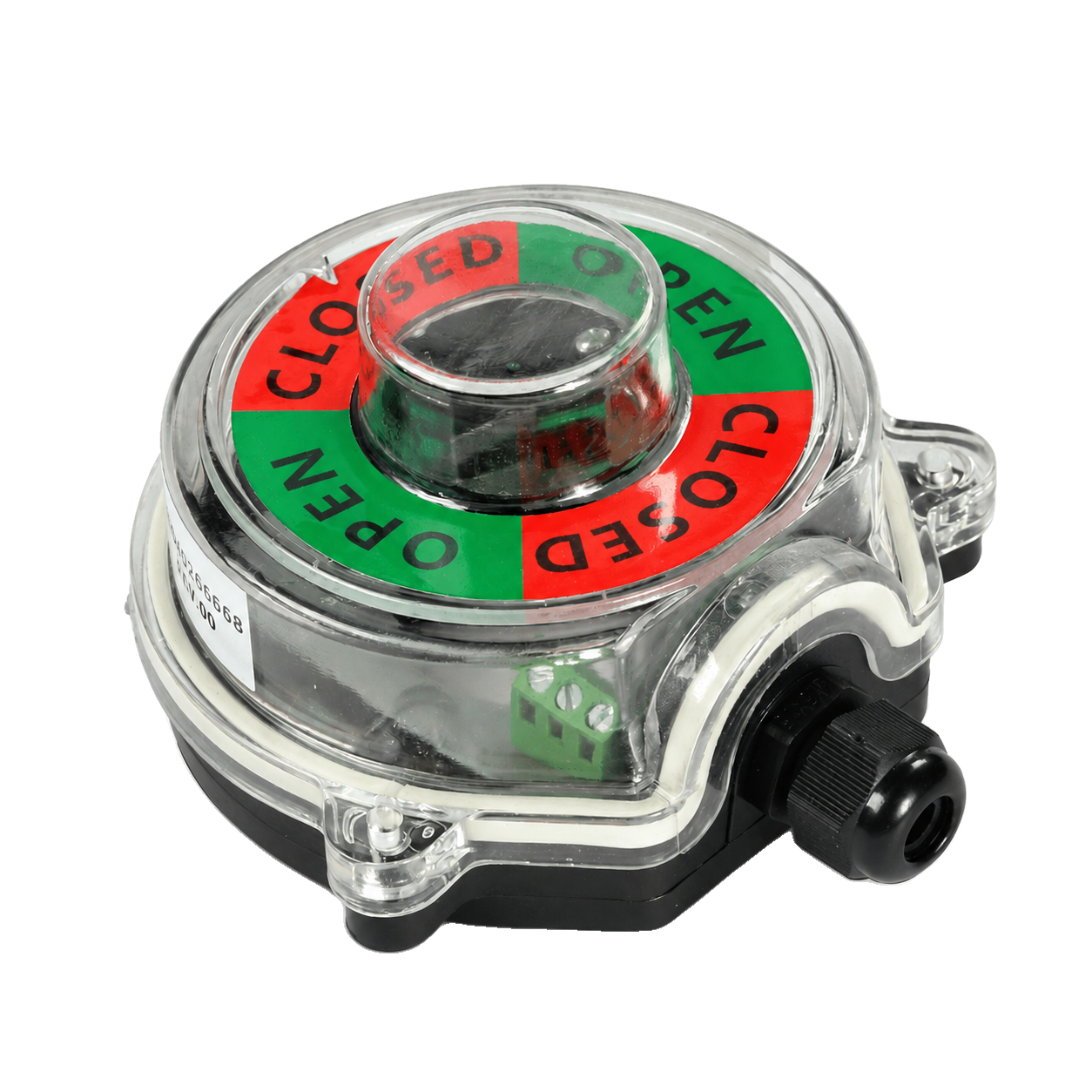
Provides position feedback for an actuator assembly.
Installation area · Actuator position feedbackTechnical page & enquiry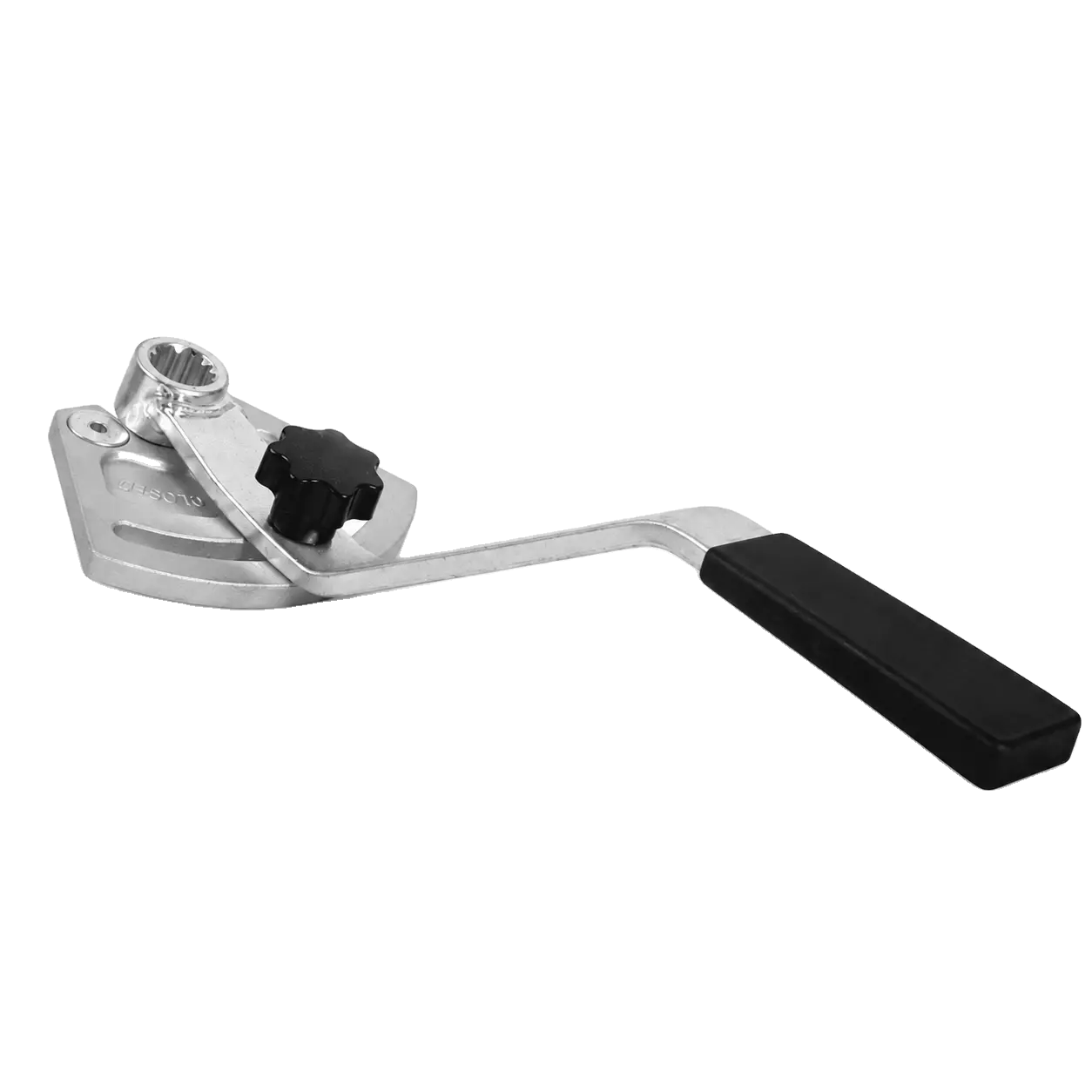
Provides manual operation where local valve control is needed.
Installation area · Valve actuationTechnical page & enquiry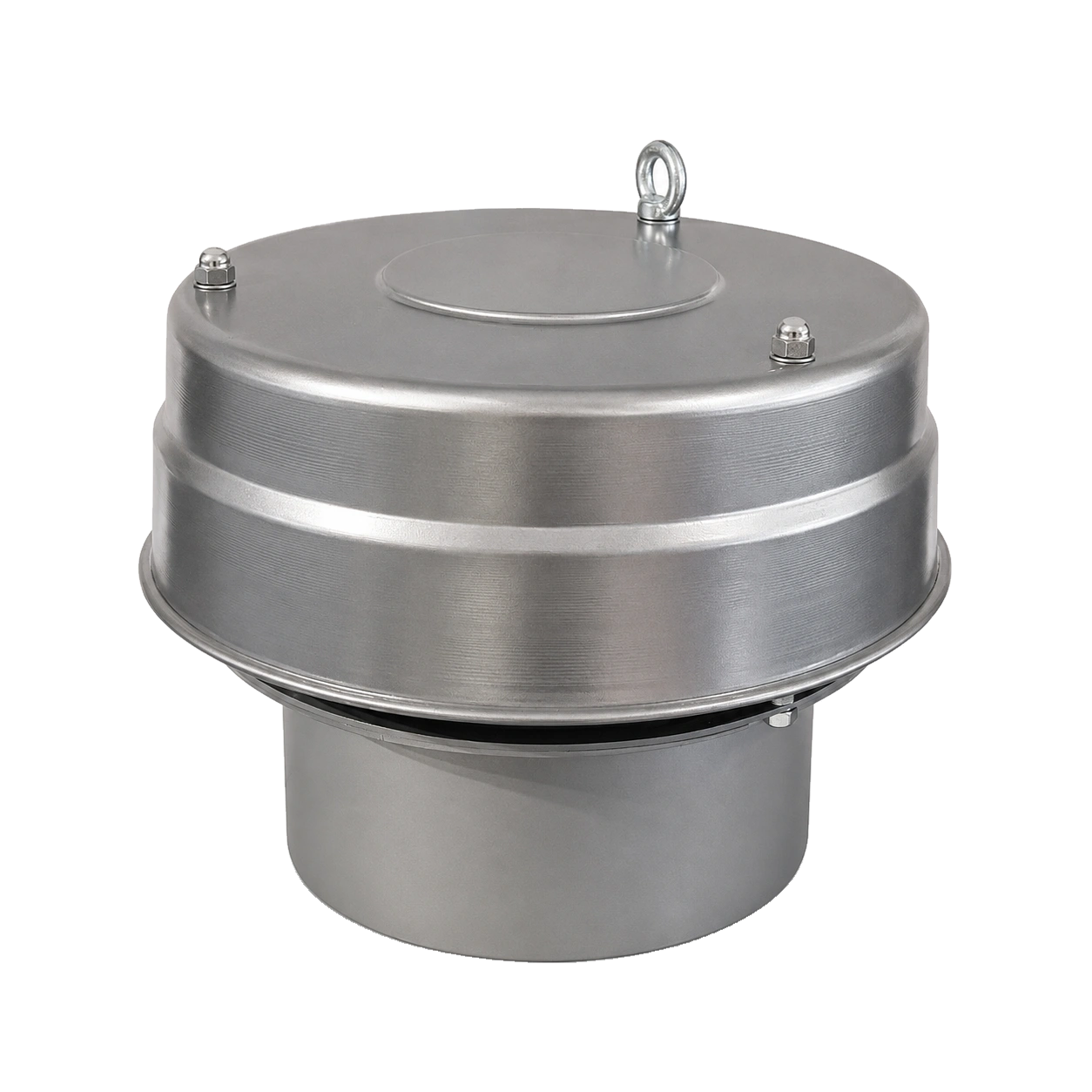
Pressure relief is a separate silo function to assess alongside filtration.
Installation area · Silo roofTechnical page & enquiry


