
Industry
Silo, conveying and dust equipment for lime, gypsum and mineral powders
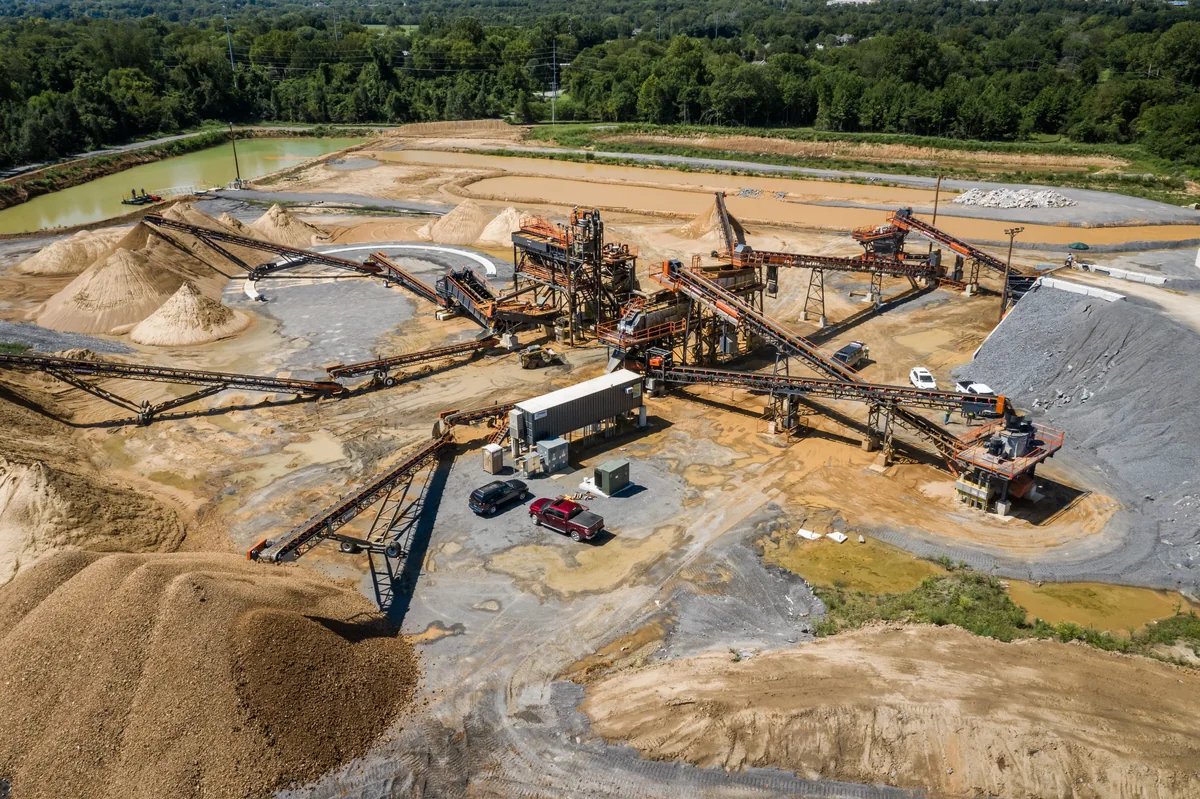
Mineral powders differ more than they look: lime is light and sticky, fly ash flows like water when aerated, bentonite swells with moisture. The same silo, filter and screw behave differently with each.
Materials
How each material behaves
Bulk density and filtration velocity are the values our calculators use. The behaviour notes are general; your own material data decides the selection.
| Material | Bulk density | Filtration velocity | What to watch |
|---|---|---|---|
| Hydrated lime | 0.90 t/m³ | 0.90 m/min | Light, fine and cohesive. Tends to bridge and to stick to surfaces; a lot of dust at filling. |
| Gypsum | 1.10 t/m³ | 1.10 m/min | Flows well when dry. Takes up moisture and hardens, so storage and conveying must stay dry. |
| Calcium carbonate | 1.20 t/m³ | 1.00 m/min | Fine grades compact in storage and can stop flowing; coarser grades flow freely. |
| Bentonite | 0.80 t/m³ | 0.80 m/min | Very fine and moisture-sensitive; it swells and cakes. It has the lowest filtration velocity in this group. |
| Fly ash | 0.80 t/m³ | 1.00 m/min | Very light. When aerated it flows like a liquid and can flood through a feeder or valve. |
Worked examples
Silo size
Lime, 20 t per day, 7 days of stock
140 t needed → one Ø3.9 × 12 m silo holding about 141 t. The same silo holds 204 t of cement.
Size your siloSilo-top filter
Tanker filling lime at 40 t/h
about 1,556 m³/h of air → 28.8 m² filter area → EQPFILL 36. Cement at the same rate needs 15 m².
Check your filterScrew conveyor
Calcium carbonate, Ø219 tubular screw, 6 m horizontal, 90 rpm
about 13.6 t/h with a 1.5 kW motor
Calculate conveyor capacityFrom tanker to truck: the equipment at each step
Follow the material through five handling steps. Open the equipment pages to examine each part of the route.
- 01

Filling & venting
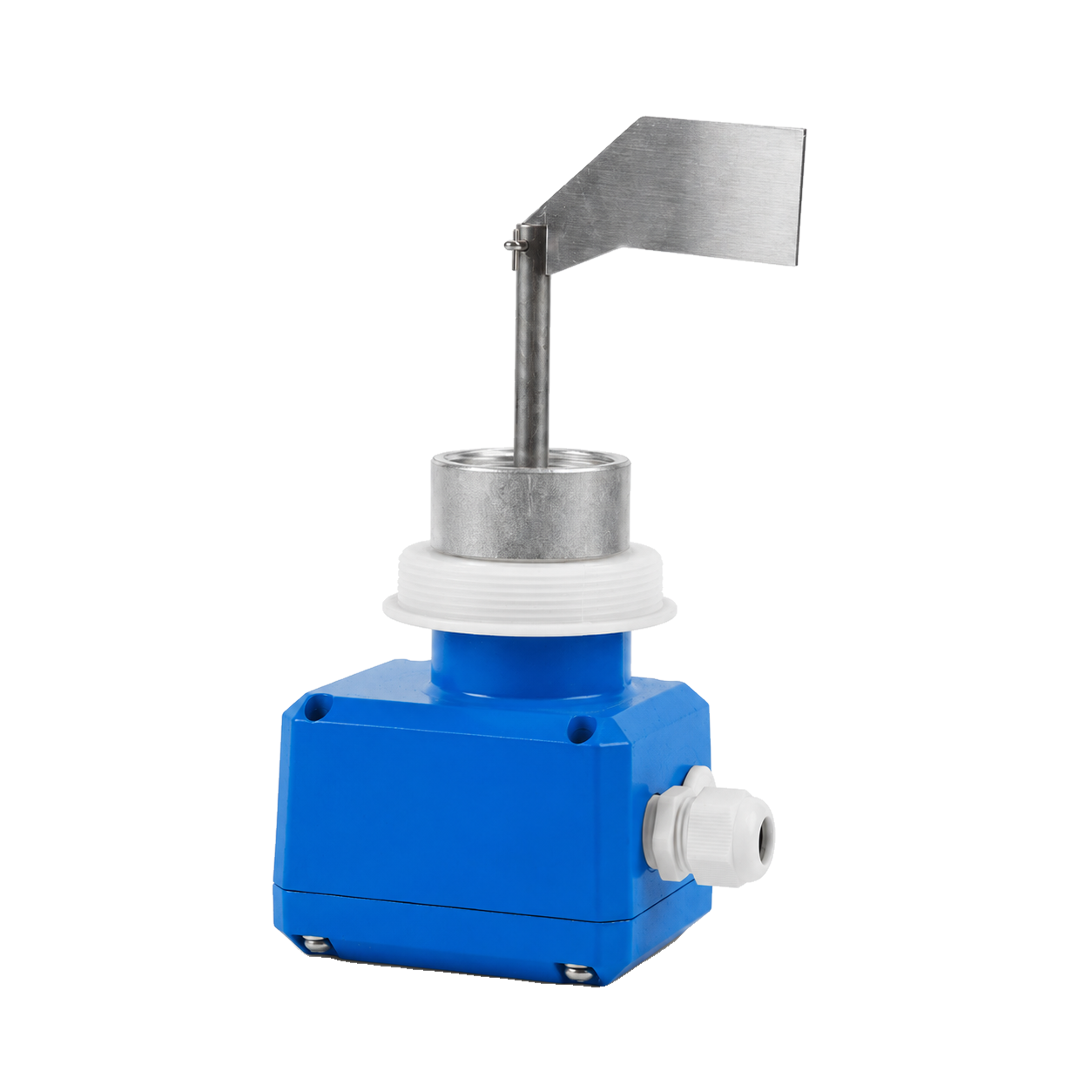
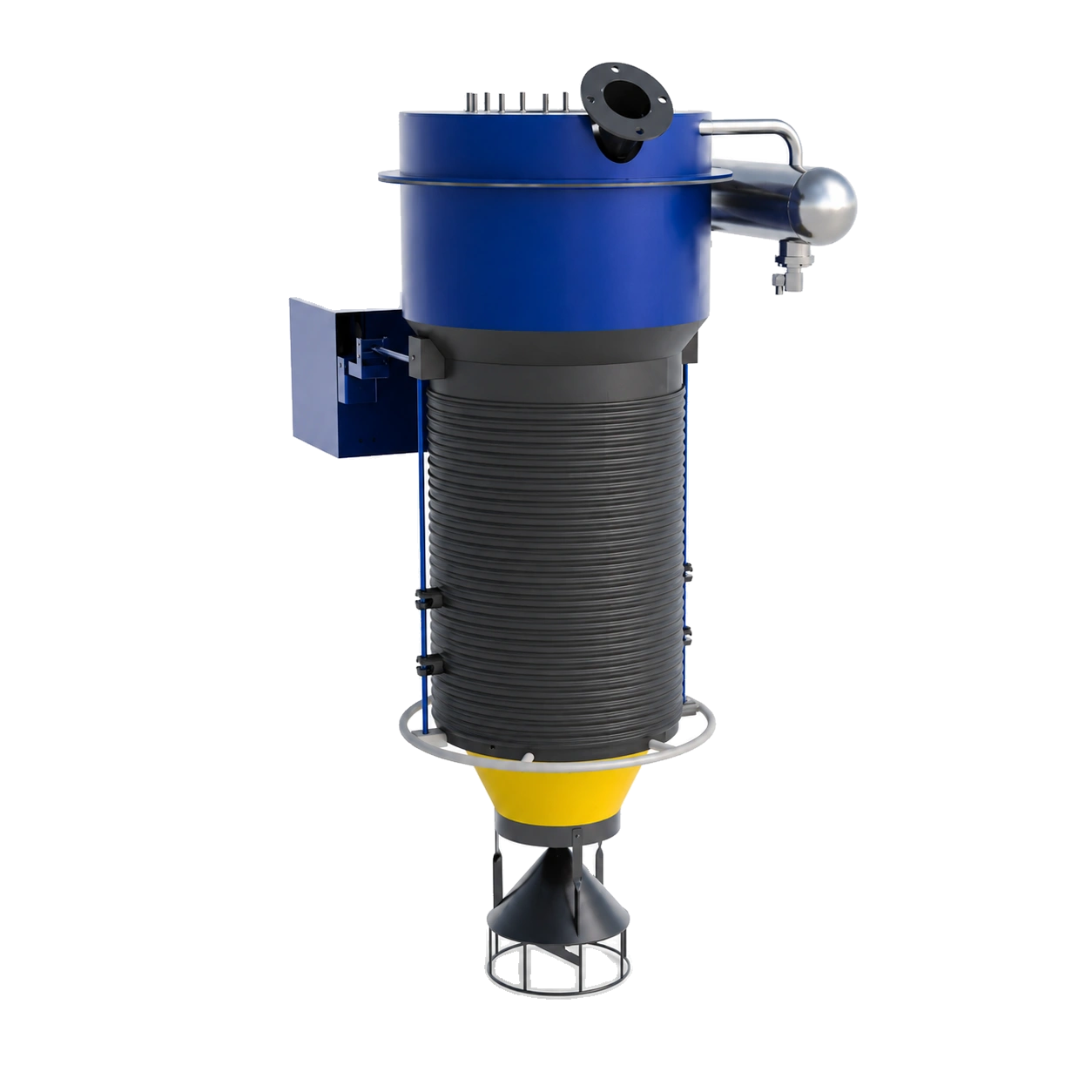
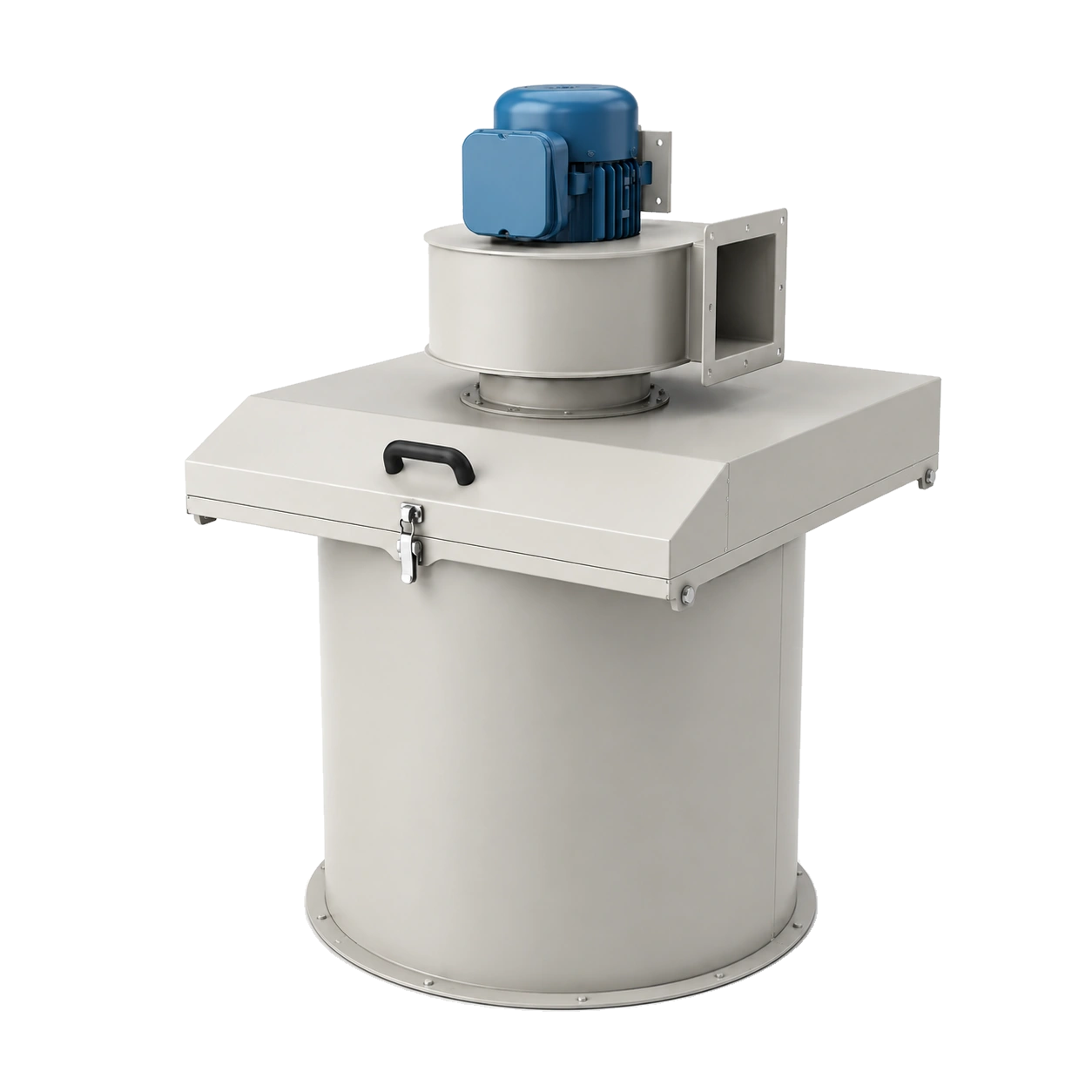
Displaced air needs a venting path during tanker filling. Filtration, level indication and pressure protection perform different tasks.
- 02

Storage
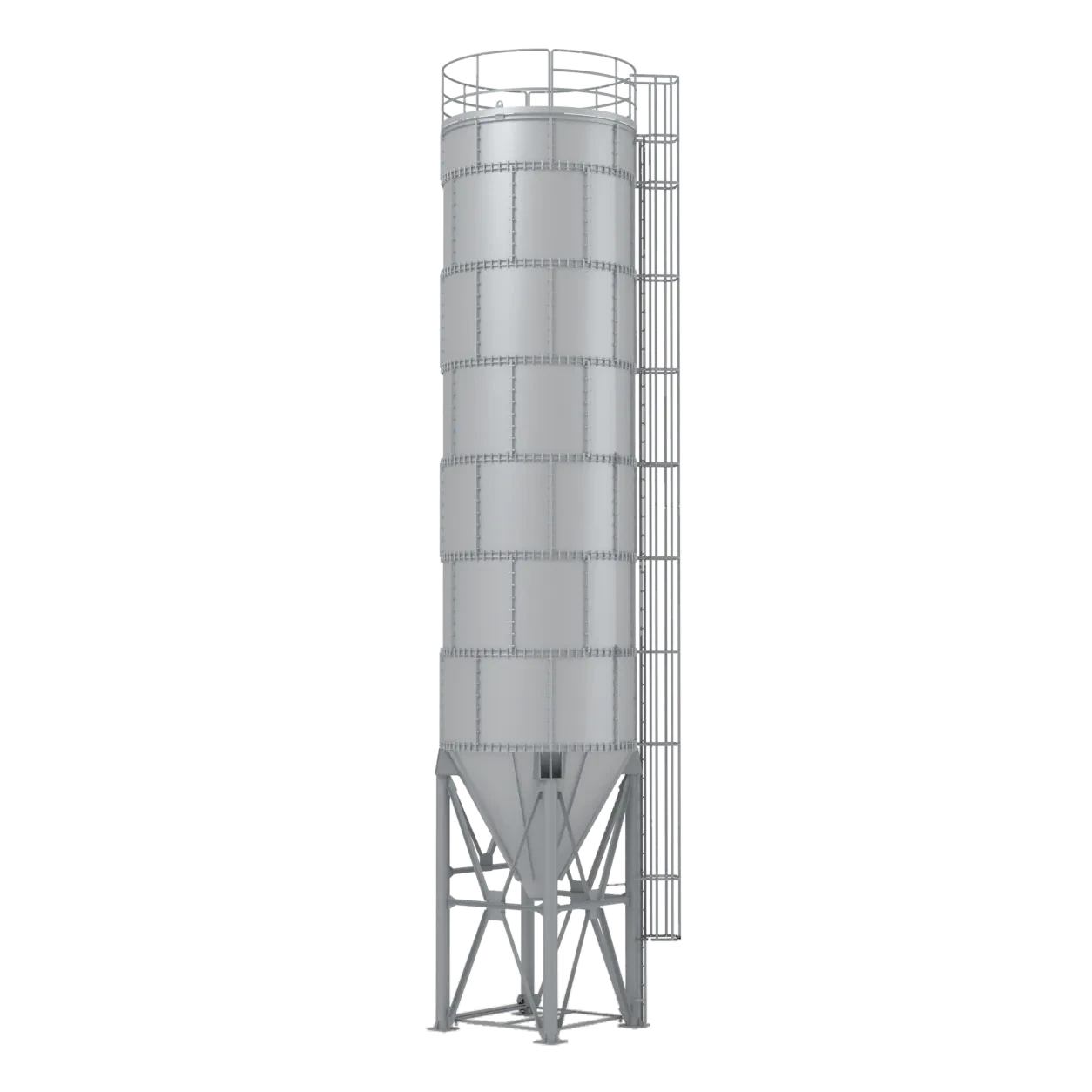
Select silo capacity and construction around the material, site layout, transport and assembly constraints.
- 03

Discharge & flow
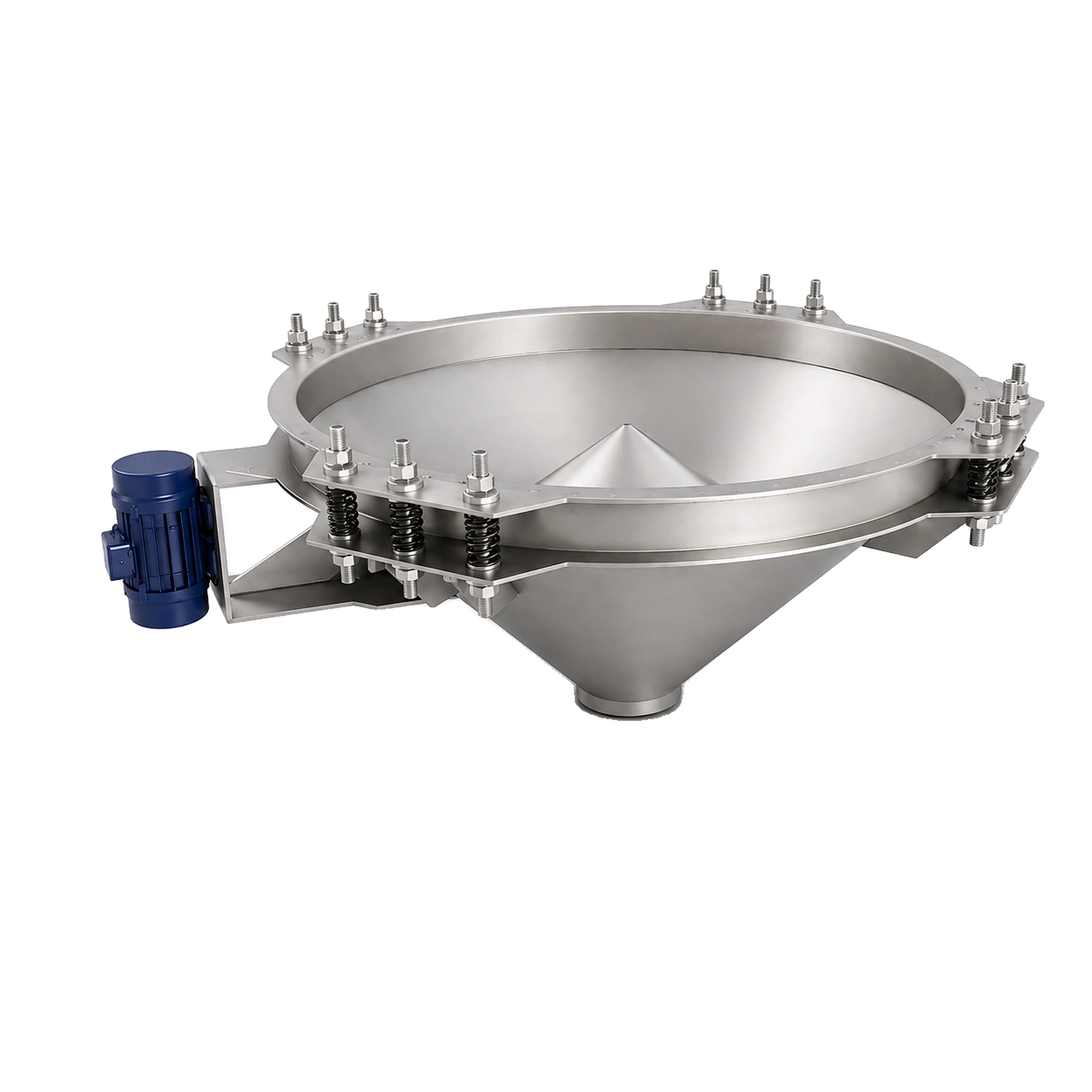
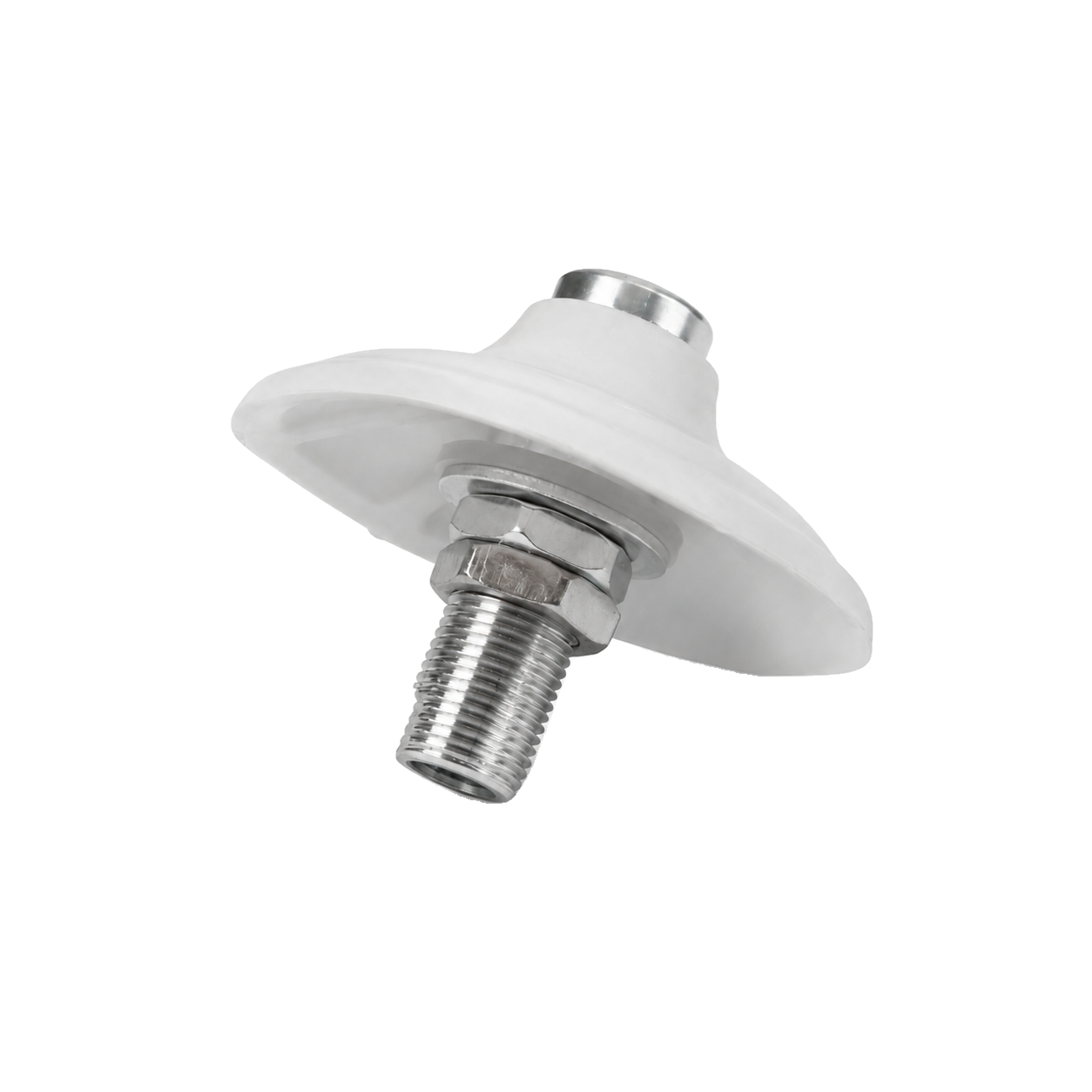
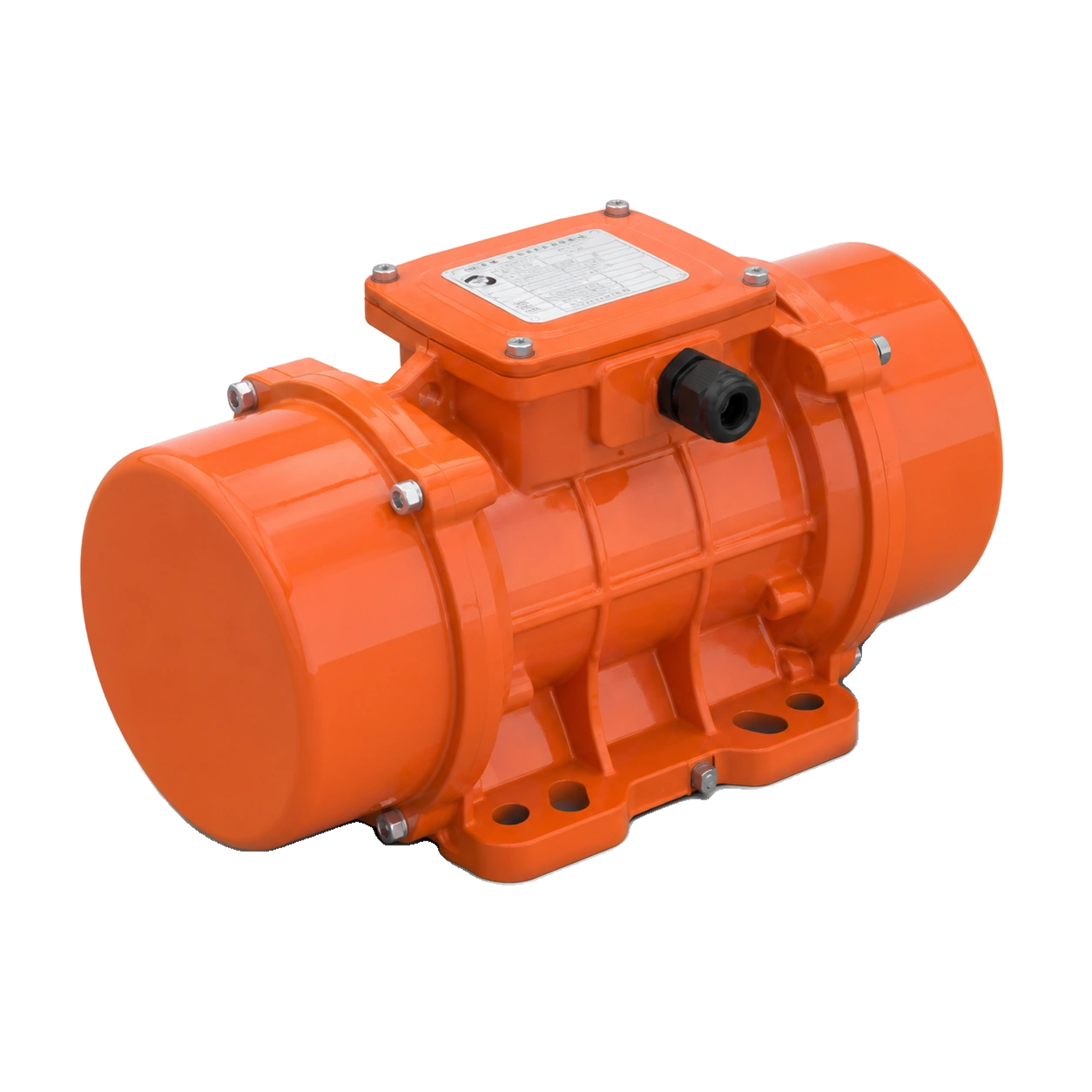
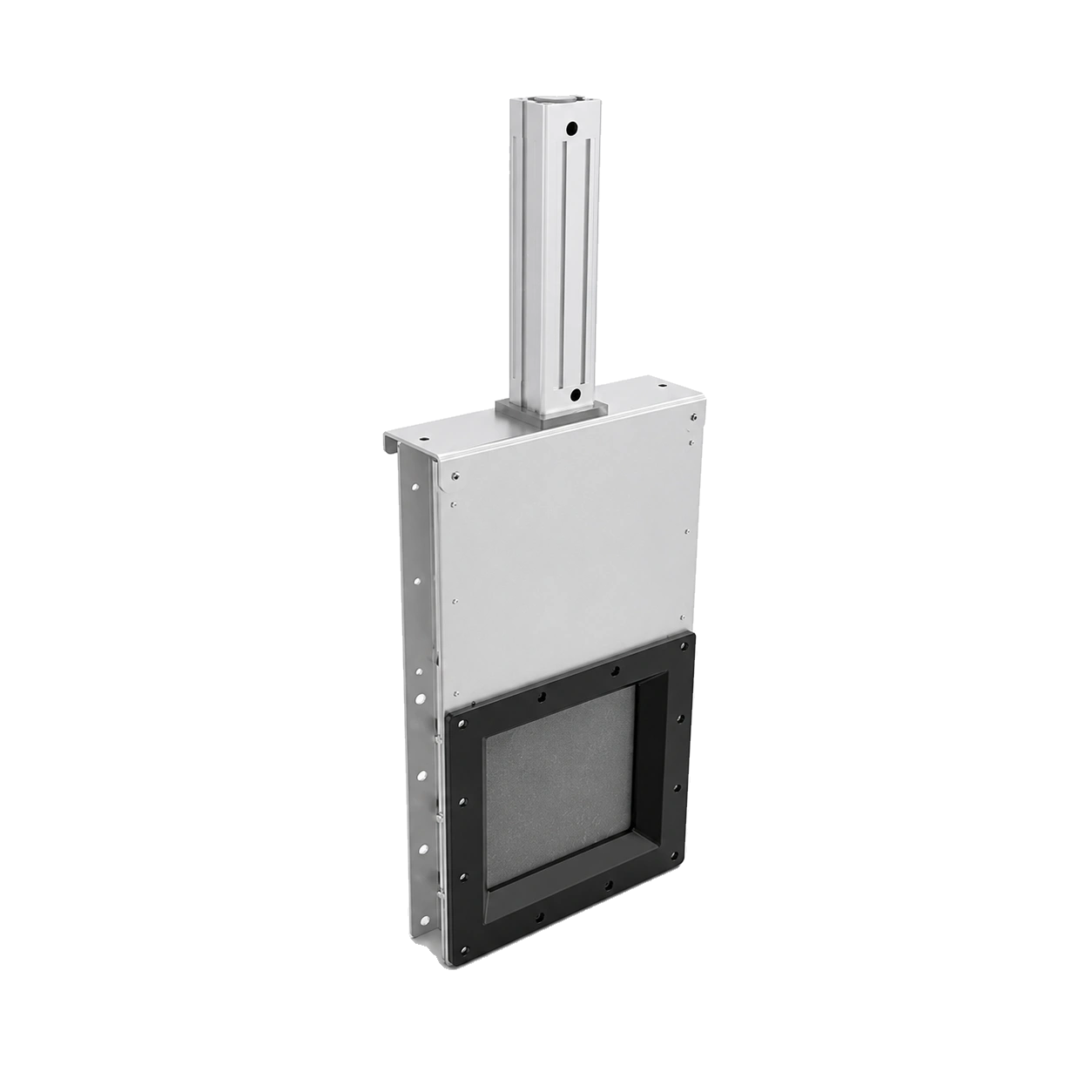
Assess the powder and outlet before selecting flow aids. Valves control the material path; they do not resolve every flow problem.
- 04
Conveying & feeding
The conveyor, feeder and weighing system must be assessed together. Transfer capacity alone does not establish dosing accuracy.
- 05
Bulk loading
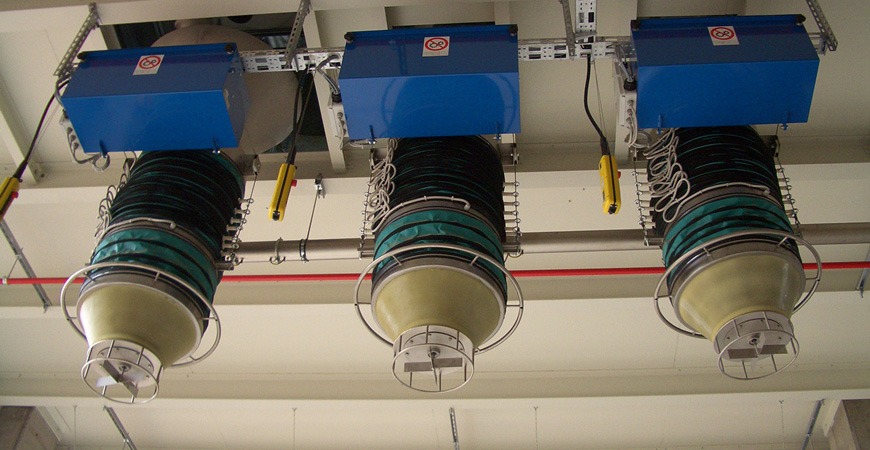
Bring the outlet closer to the receiving vehicle and assess dust extraction with the loading arrangement.



Common problems with mineral powders
Each guide explains what to check before choosing equipment.
Before selecting equipment
What should I send for a quotation?
Material and daily consumption, required storage and throughput, route length and height, site layout, and photographs of existing equipment.
Why does lime need a larger filter than cement?
Lime is lighter, so the same tonnage carries more air into the silo, and its dust is filtered at a lower velocity. At 40 t/h, lime needs about 29 m² of filter area where cement needs about 15 m².
Can I store lime or gypsum in a cement silo?
The silo can hold it, but the capacity in tonnes changes with the bulk density, and the discharge may need a different flow aid. A Ø3.9 × 12 m silo holds about 204 t of cement and about 141 t of lime.
Which of these materials is hardest to discharge?
Cohesive and moisture-sensitive powders such as bentonite, hydrated lime and fine calcium carbonate are the most likely to bridge. The outlet, the flow aid and the feeder are selected together, from your material data.
An equipment list for your plant
Share your requirements so we can discuss storage, conveying and dust handling together.
Request an equipment list →- Material and daily consumption
- Required storage and throughput
- Route, elevation and site layout
- Photographs and existing equipment details


