


Bulk loading
Loading Bellows
Loading bellows for cement and dry bulk truck loading. Compare tanker and open-truck connections, working stroke and dust extraction. Request a quotation.
Technical page & enquiry
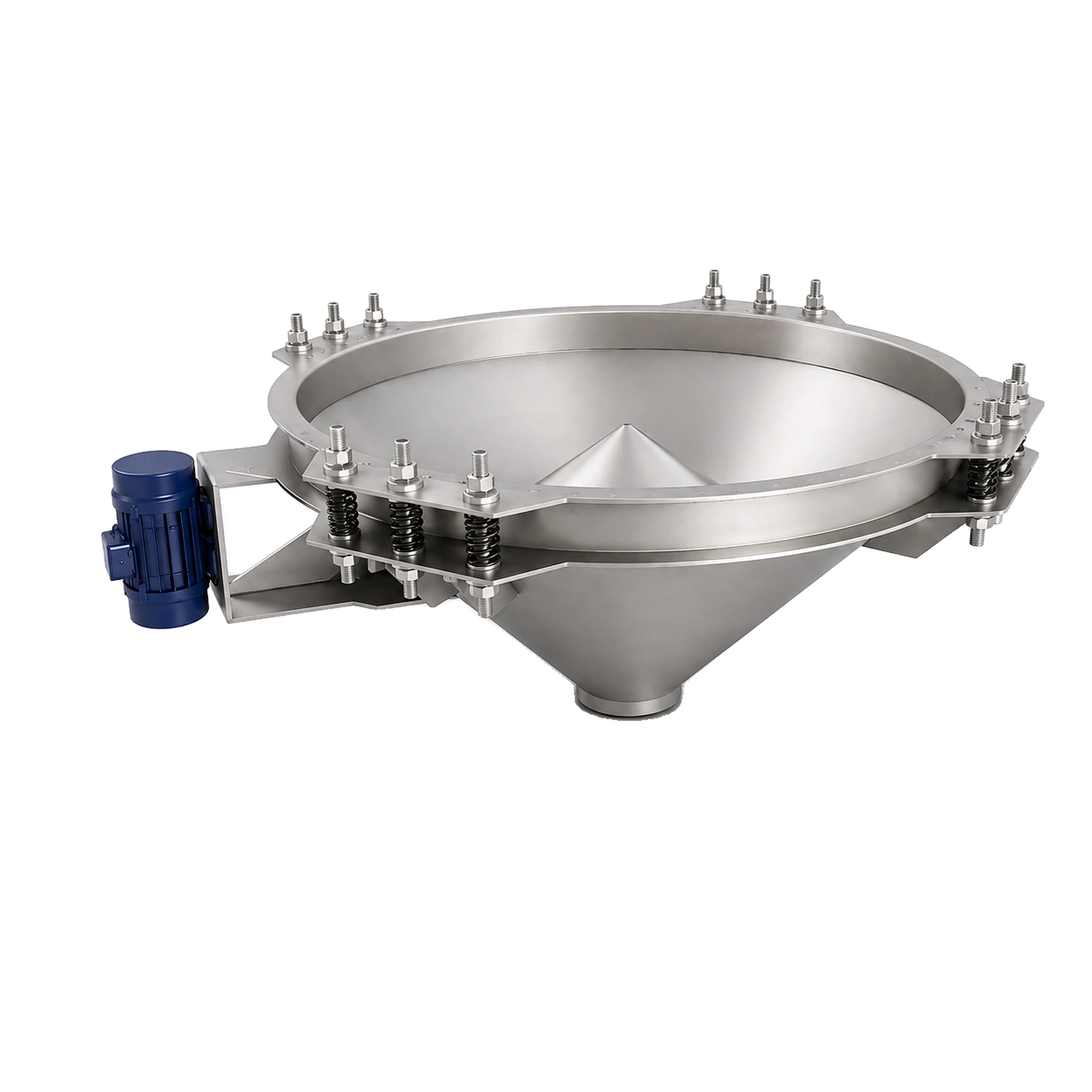
Right-drag to move the model. Drag to rotate. Use the mouse wheel or two fingers to zoom. This model illustrates the product, not a confirmed order configuration.
Bin activators for silo and hopper discharge. Assess bridging, material flow, outlet geometry and downstream feeding before requesting a quotation.
Final configuration and suitability require a technical review of your material and operating conditions.
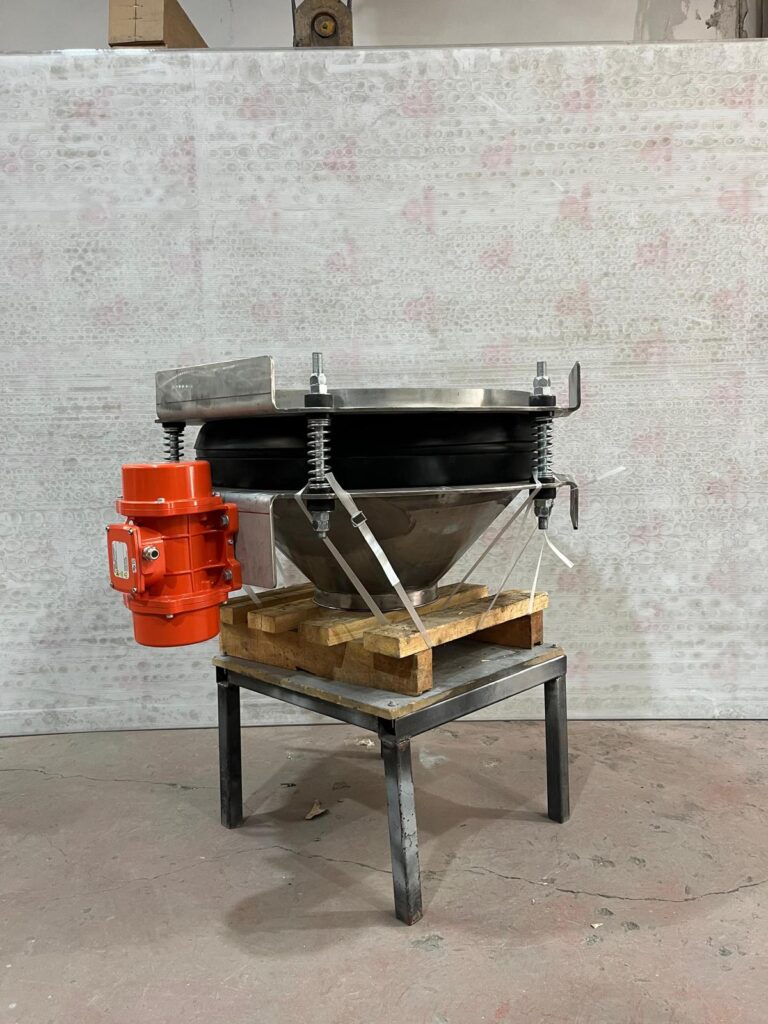
Bin Activator is used to improve material flow and discharge from silos, hoppers and bins in dry bulk powder handling systems. eQUIP manufactures bin activators for cement plants, concrete batching plants, dry mortar plants, chemical processing lines, food ingredient handling systems and industrial powder storage applications where stable material discharge is required.
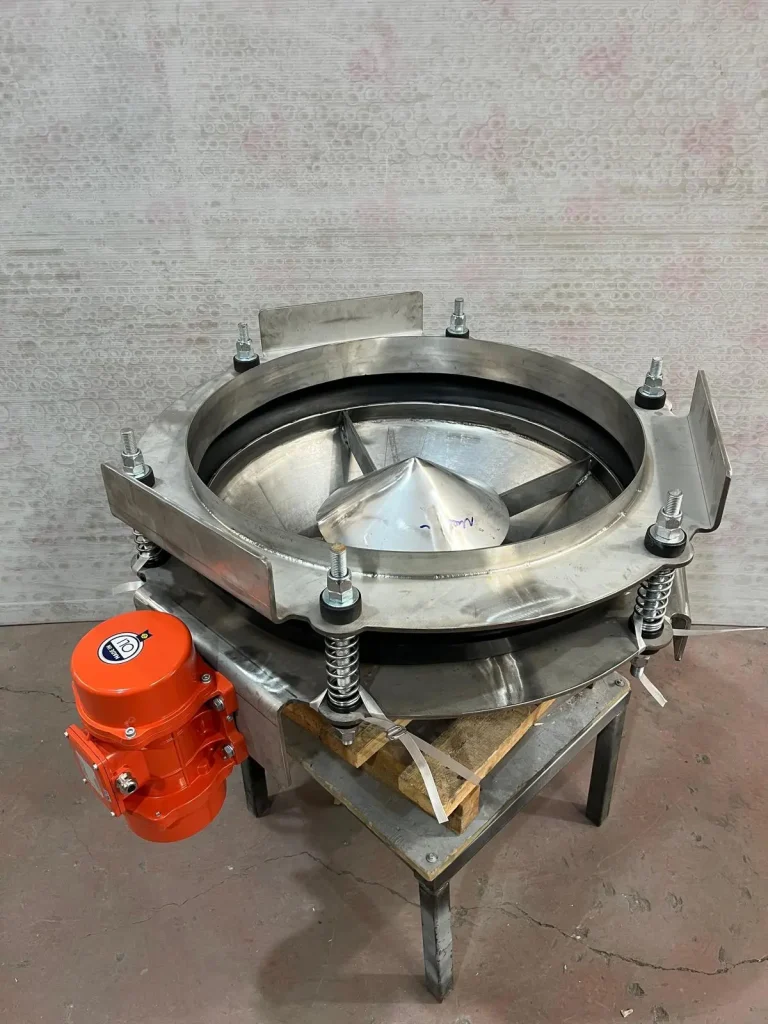
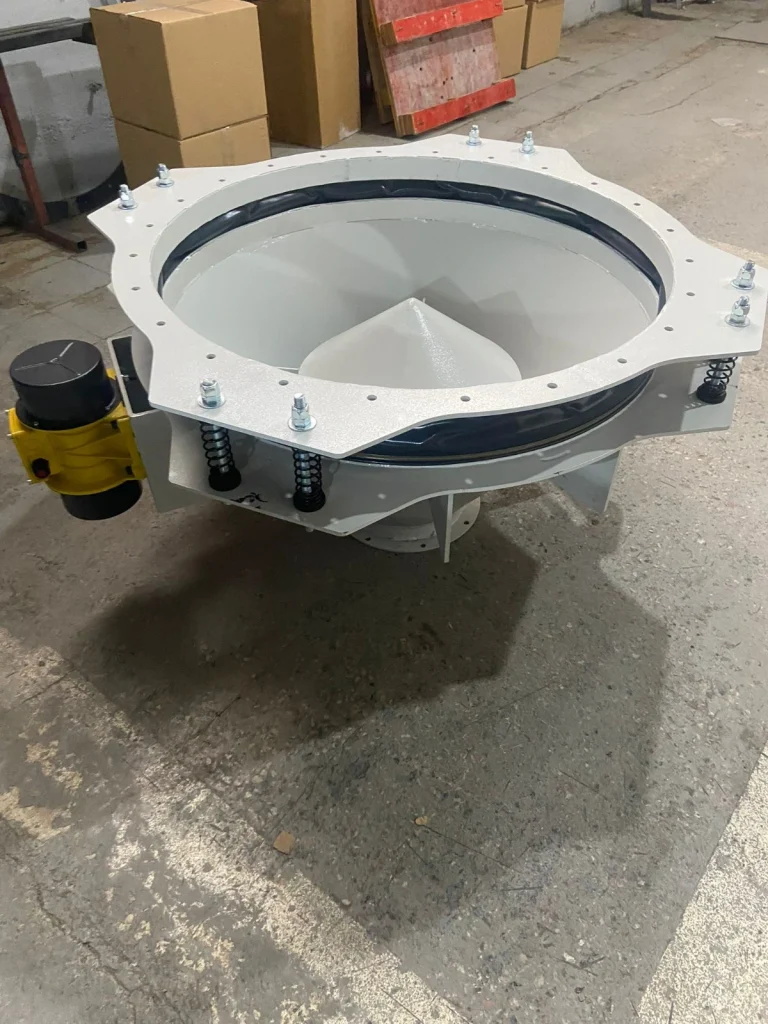
A bin activator is installed at the outlet of a silo, hopper or storage bin to help activate the stored material and promote controlled discharge. Its vibrating bottom structure helps reduce bridging, rat-holing, material compaction and irregular flow problems that can occur with powders and bulk solids. This makes it suitable for materials such as cement, fly ash, lime, mineral powders, plastic granules, flour, starch, additives and chemical powders.
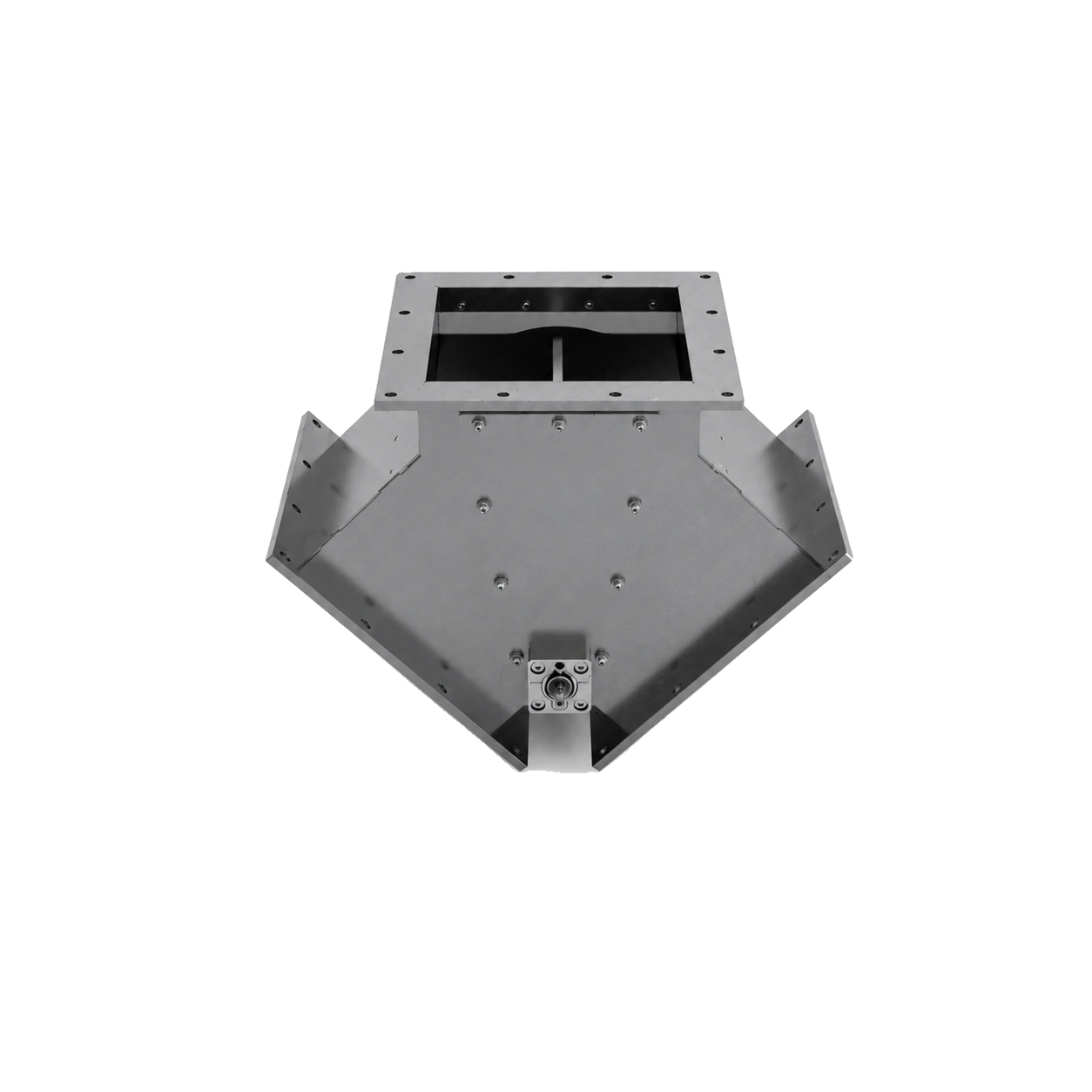
Depending on the application, the unit can be designed with a vibrating cone, flexible sleeve, suspension system, outlet connection, vibration motor and downstream equipment interface. The discharge outlet can be connected to a screw conveyor, rotary valve, butterfly valve, slide gate valve, weighing system or other process equipment according to the plant layout.
A bin activator supports the discharge of dry bulk materials from storage equipment by applying controlled vibration to the bottom section of the silo or bin. Instead of allowing the material to rely only on gravity, the vibrating bottom helps loosen compacted material and encourages mass flow toward the outlet.
In powder handling systems, materials can sometimes form bridges above the outlet, create rat-holes, stick to cone walls or discharge inconsistently. A bin activator helps reduce these flow problems and supports more reliable feeding to conveyors, dosing systems, valves or processing equipment.
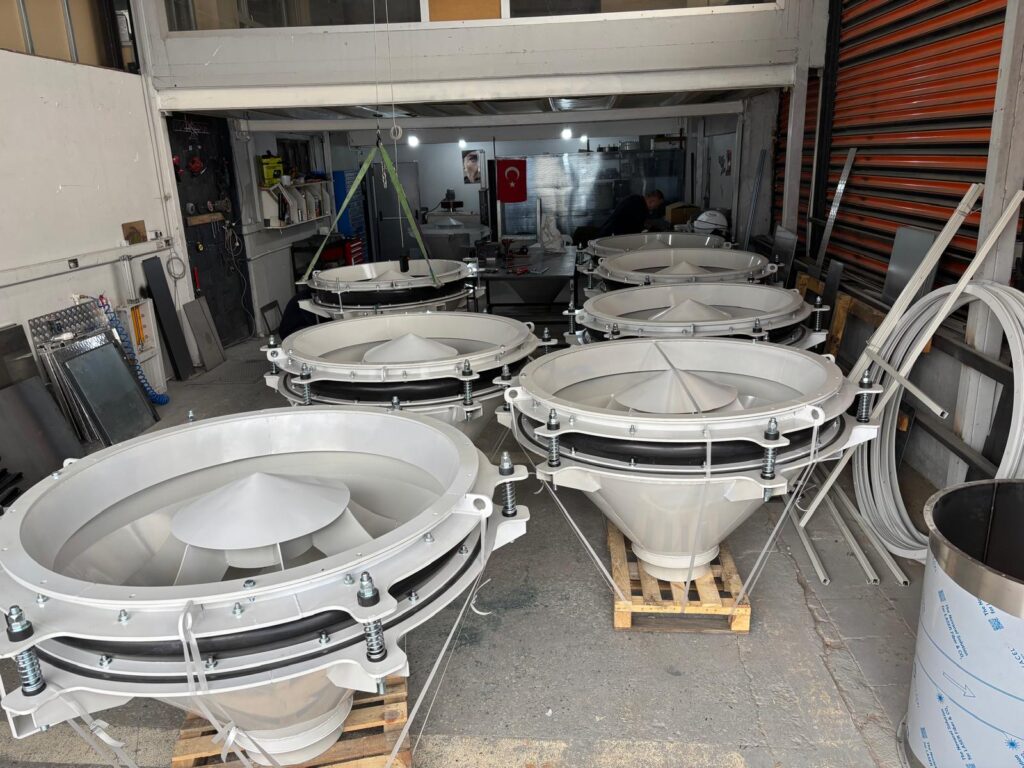
Workshop & application
Where it is used
The general catalogue is public. Order-specific drawings and datasheets are available only through an authorized account.
Browse the public e-catalogueOnly documents assigned to your account for a specific order and equipment are available here. Membership approval alone does not grant document access.
My orders and documentsHow to select
For an existing silo feeding a screw conveyor or rotary valve, describe whether material stops inside the silo or accumulates after the outlet. These observations lead to different checks. Record what happens when the downstream machine starts and stops; do not treat a larger vibration motor as a substitute for reviewing the whole discharge assembly.
More vibration is not a universal remedy for bridging or compaction. Check the supporting structure, flexible connections and downstream feeder together.
| Item | Required project information |
|---|---|
| Installation interface | Silo outlet drawing and available height |
| Discharge demand | Required flow and operating cycle |
| Structural interface | Support and flexible connection drawings |
The design of a bin activator depends on the silo size, hopper geometry, material type, bulk density, flow behavior, required discharge rate, outlet diameter, vibration requirement and downstream equipment. eQUIP can configure bin activators according to the application, material properties and plant layout.
For fine powders such as cement, fly ash and lime, the design should consider dust behavior, aeration tendency, compaction and outlet flow. For food ingredients, chemical powders, plastic granules or mineral products, material compatibility, surface finish, discharge pattern and cleaning requirements may also be important. The outlet can be adapted for screw conveyors, rotary valves, butterfly valves, slide gates or custom process connections.
Request a quotation
Send a drawing or photographs and the installation country. Include units, voltage and frequency where relevant. The proposed configuration and supply scope will be confirmed in the quotation.
Questions buyers ask
A bin activator is a discharge aid installed under a silo, hopper or bin to improve material flow. It uses controlled vibration and a live bottom design to help reduce bridging, rat-holing and inconsistent discharge.
Bin activators are used under silos, hoppers and storage bins in cement plants, concrete batching plants, dry mortar plants, chemical facilities, food ingredient handling systems and industrial powder processing lines.
A vibration motor is a component that generates vibration. A bin activator is a complete discharge device that may include a vibrating cone, flexible connection, suspension system, outlet connection and vibration motor.
It can be used for cement, fly ash, lime, mineral powders, plastic granules, food powders, starch, flour, additives, chemical powders and other dry bulk materials. The design should be selected according to material flow behavior.
Yes. Bin activators can be connected to screw conveyors, rotary valves, butterfly valves, slide gate valves, weighing systems or other downstream equipment depending on the discharge layout.
A flexible sleeve helps connect the vibrating discharge section to the fixed silo or downstream equipment while reducing vibration transfer to the surrounding structure. It also supports a more controlled and dust-conscious connection.
The price depends on silo diameter, outlet size, material of construction, vibration motor selection, flexible connection, surface treatment, discharge equipment interface and project-specific requirements.
Complete your selection
Explore related components and replacement parts. Final selection depends on the model, connections and operating conditions.
Loading bellows for cement and dry bulk truck loading. Compare tanker and open-truck connections, working stroke and dust extraction. Request a quotation.
Technical page & enquiry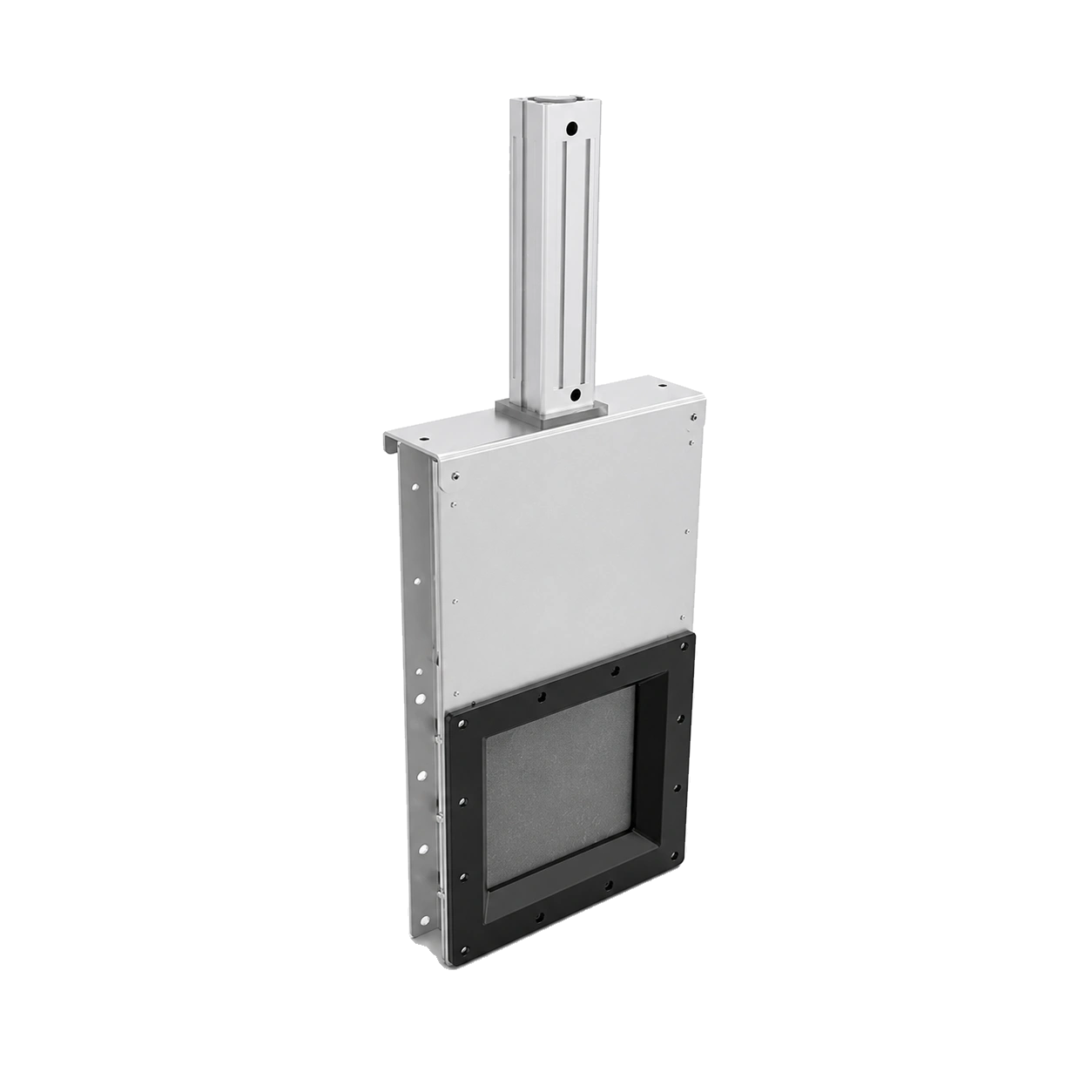

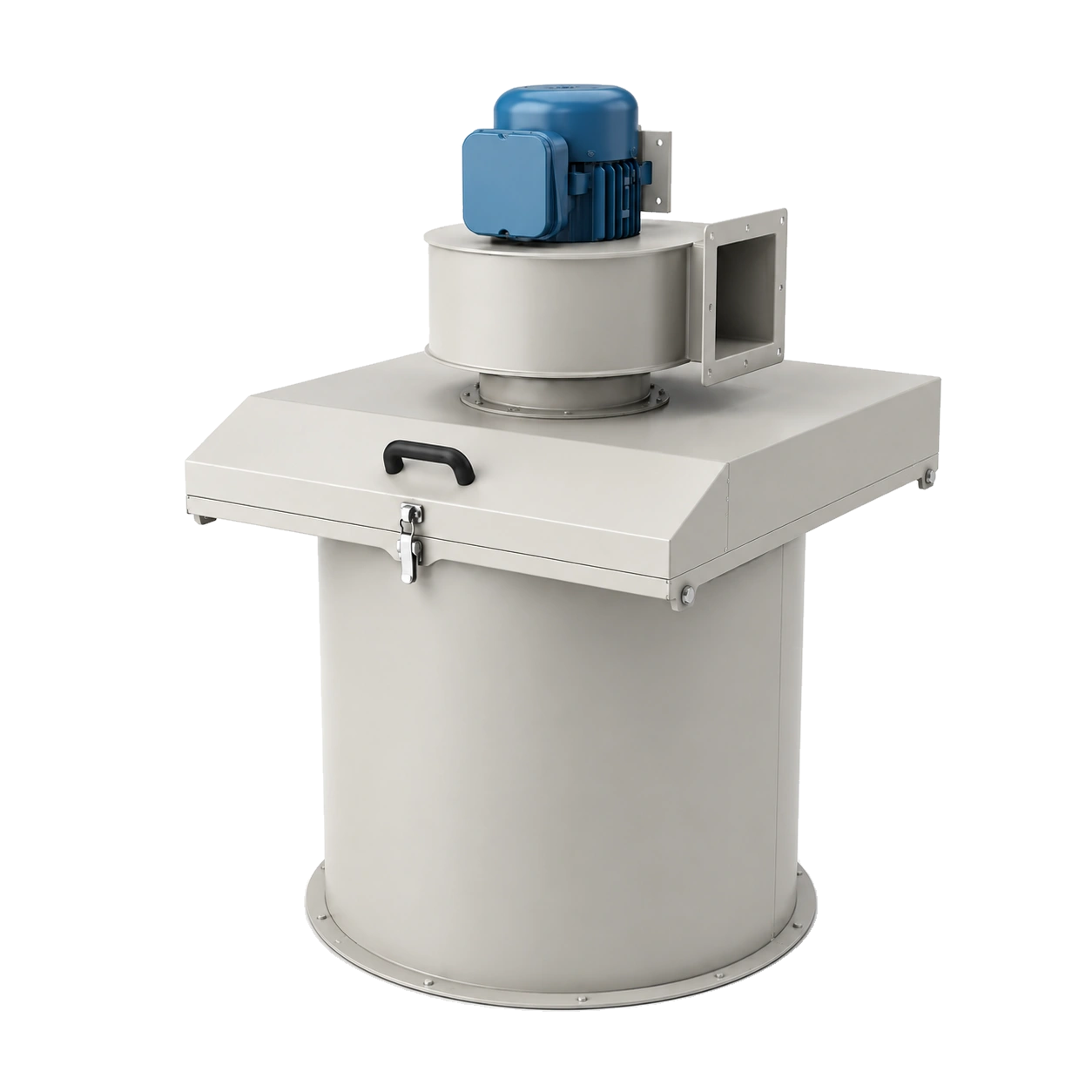
Fan-assisted silo filters for powder storage ventilation. Specify airflow, pressure loss, cleaning and controls. Compare options and request a quotation.
Technical page & enquiry