Bulk loading
Loading Bellows
Loading bellows for cement and dry bulk truck loading. Compare tanker and open-truck connections, working stroke and dust extraction. Request a quotation.
Technical page & enquiry


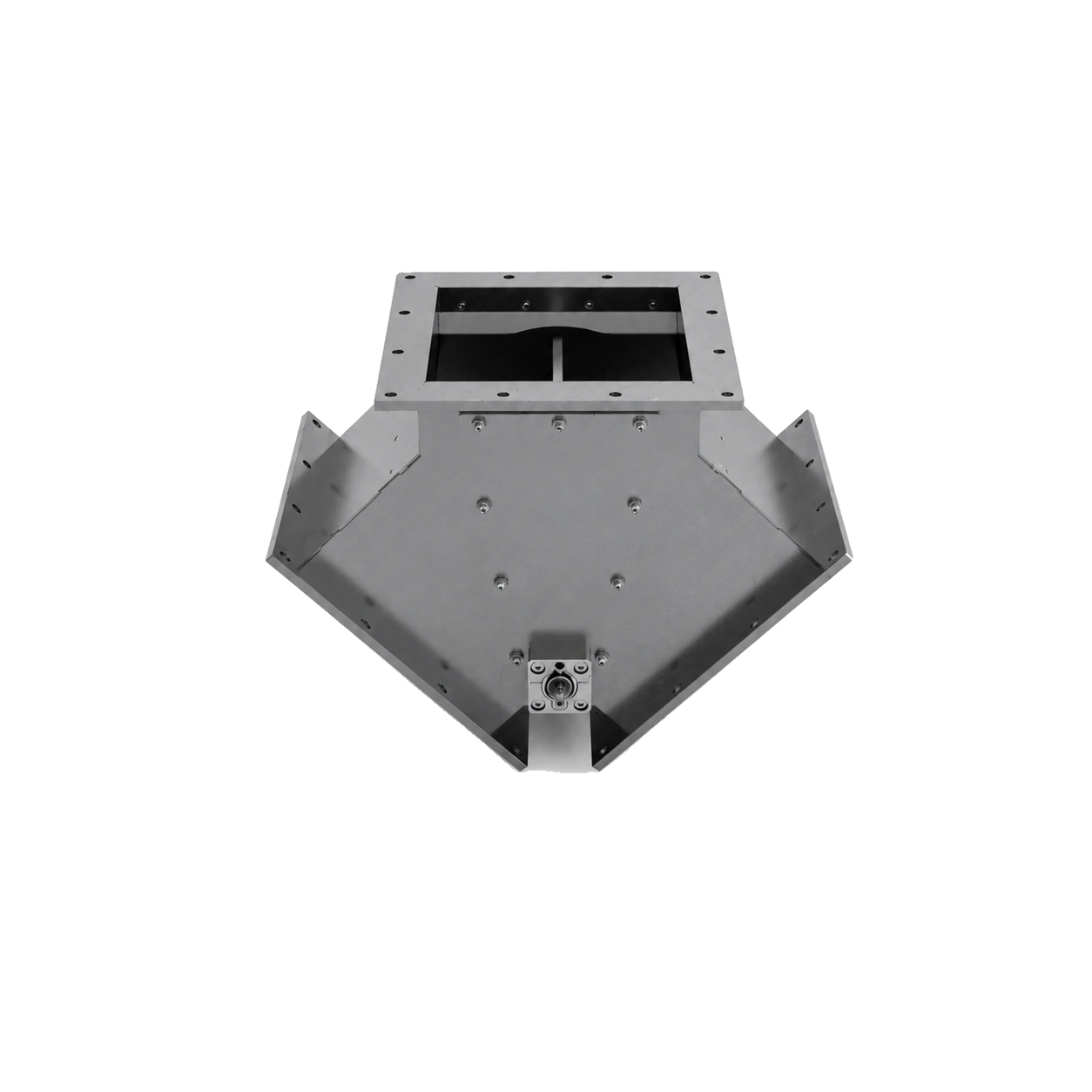
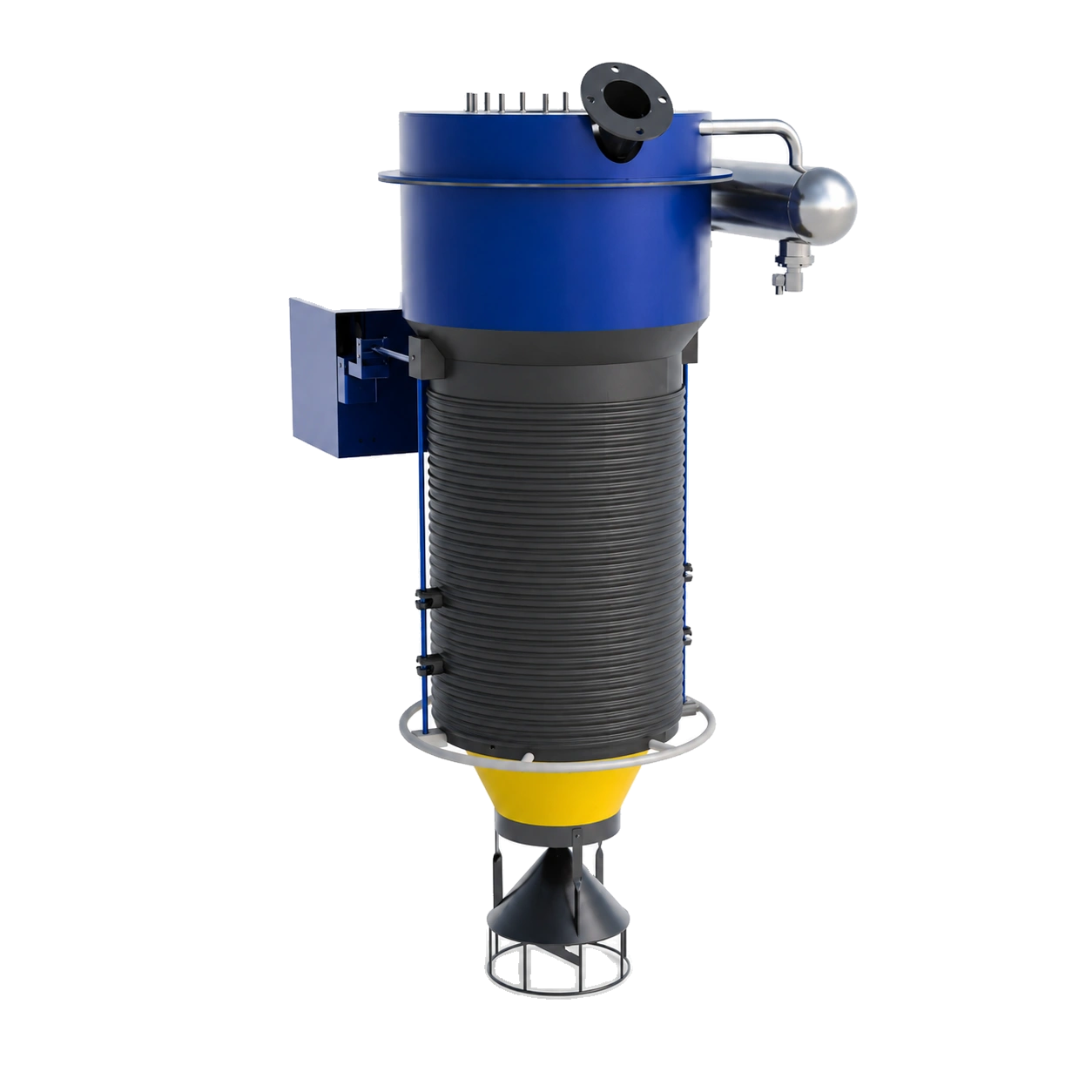
Right-drag to move the model. Drag to rotate. Use the mouse wheel or two fingers to zoom. This model illustrates the product, not a confirmed order configuration.
eQUIP manufactures rotary valves for controlled discharge, feeding and dosing of powders, granules and bulk solids in industrial bulk material handling systems. Also known as rotary airlock feeders, these valves are commonly used under silos, hoppers, dust collectors, bag filters and process equipment where stable material flow and dust-tight operation are required.
Final configuration and suitability require a technical review of your material and operating conditions.
A rotary valve helps regulate material flow between two process points while maintaining a controlled discharge rate. As the rotor turns inside the valve body, material fills the rotor pockets and is discharged in a steady and repeatable way. This makes the equipment suitable for silo discharge, powder dosing, filter discharge and feeding applications.
Depending on the application, the valve can operate as a rotary airlock valve, rotary feeder or star feeder for dry bulk materials. Body material, rotor type, sealing arrangement, drive unit, inlet and outlet dimensions, surface treatment and wear protection can be adapted according to project requirements.
A rotary valve transfers bulk material from an upper equipment outlet to a lower process point in a controlled and continuous way. It is typically installed below silos, hoppers, filters, dust collectors or process equipment to discharge material at a stable rate.
The rotating pocketed rotor helps control the flow of powders, granules and bulk solids. In airlock applications, the valve also helps reduce uncontrolled air leakage between different pressure zones, especially in pneumatic conveying and dust collection systems.
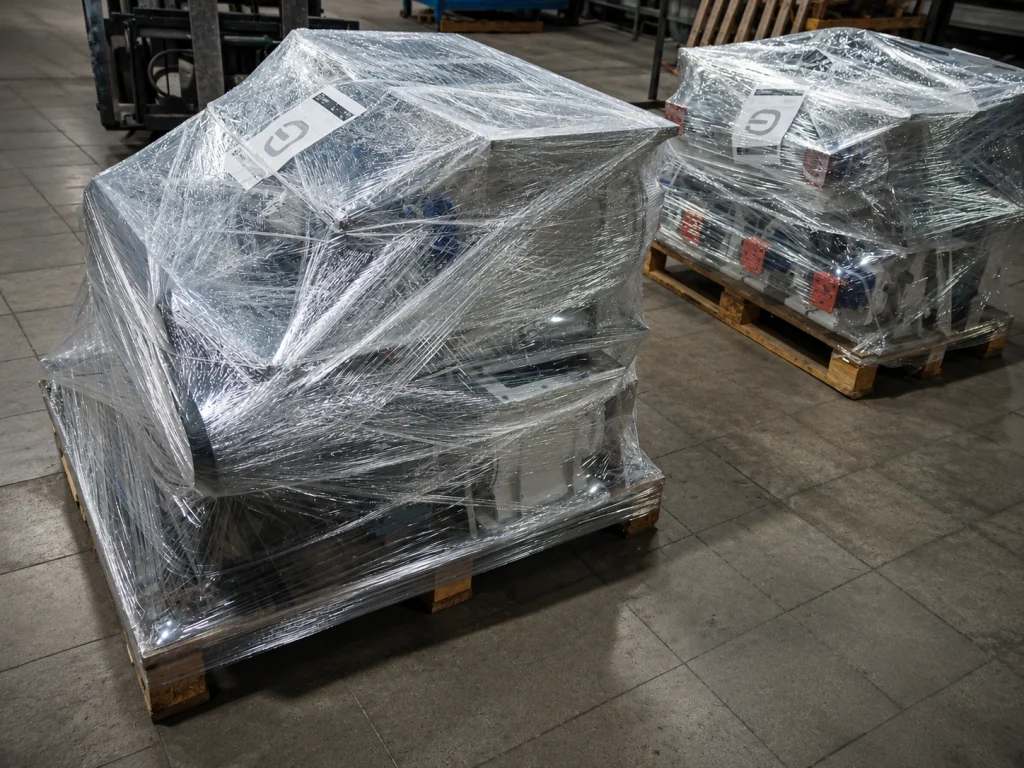
Workshop & application
Where it is used
The general catalogue is public. Order-specific drawings and datasheets are available only through an authorized account.
Browse the public e-catalogueOnly documents assigned to your account for a specific order and equipment are available here. Membership approval alone does not grant document access.
My orders and documentsHow to select
The design of a rotary valve depends on the material type, bulk density, particle size, flow rate, pressure conditions, temperature, abrasion level and required dosing accuracy. eQUIP can configure the valve body, rotor type, pocket volume, inlet and outlet dimensions, drive unit, sealing system and material selection according to the project.
For abrasive powders such as cement, fly ash or mineral materials, wear-resistant construction can be considered. For food, chemical or corrosion-sensitive applications, stainless steel or special surface finishes may be used according to project requirements.
Request a quotation
Final configuration and suitability require a technical review of your material and operating conditions.
Questions buyers ask
A rotary valve is a bulk material handling component used to discharge, feed or dose powders and granules in a controlled way. It uses a rotating pocketed rotor to move material from the inlet to the outlet.
In many bulk material handling applications, the terms are closely related. A rotary valve controls material discharge, while a rotary airlock feeder also helps reduce air leakage between different pressure zones, especially in pneumatic conveying or dust collection systems.
Rotary valves are commonly used under silos, hoppers, dust collectors, bag filters, mixers, screw conveyors, weighing systems and pneumatic conveying lines.
Yes. Rotary valves can be used for cement, fly ash, lime, mineral powders and similar dry bulk materials. For abrasive materials, wear-resistant construction or suitable rotor and body materials may be recommended.
A rotary valve is used to discharge or dose bulk materials such as powders and granules. A rotary actuator is a drive or motion-control component used to rotate another mechanism. They are different products.
Capacity depends on rotor diameter, rotor length, pocket volume, rotation speed, filling efficiency, material density and flow characteristics. The correct valve size should be selected according to the required throughput and material behavior.
The price depends on valve size, body material, rotor design, sealing type, drive unit, surface treatment, wear protection, stainless steel requirements and project-specific operating conditions.
Complete your selection
Explore related components and replacement parts. Final selection depends on the model, connections and operating conditions.
Loading bellows for cement and dry bulk truck loading. Compare tanker and open-truck connections, working stroke and dust extraction. Request a quotation.
Technical page & enquiry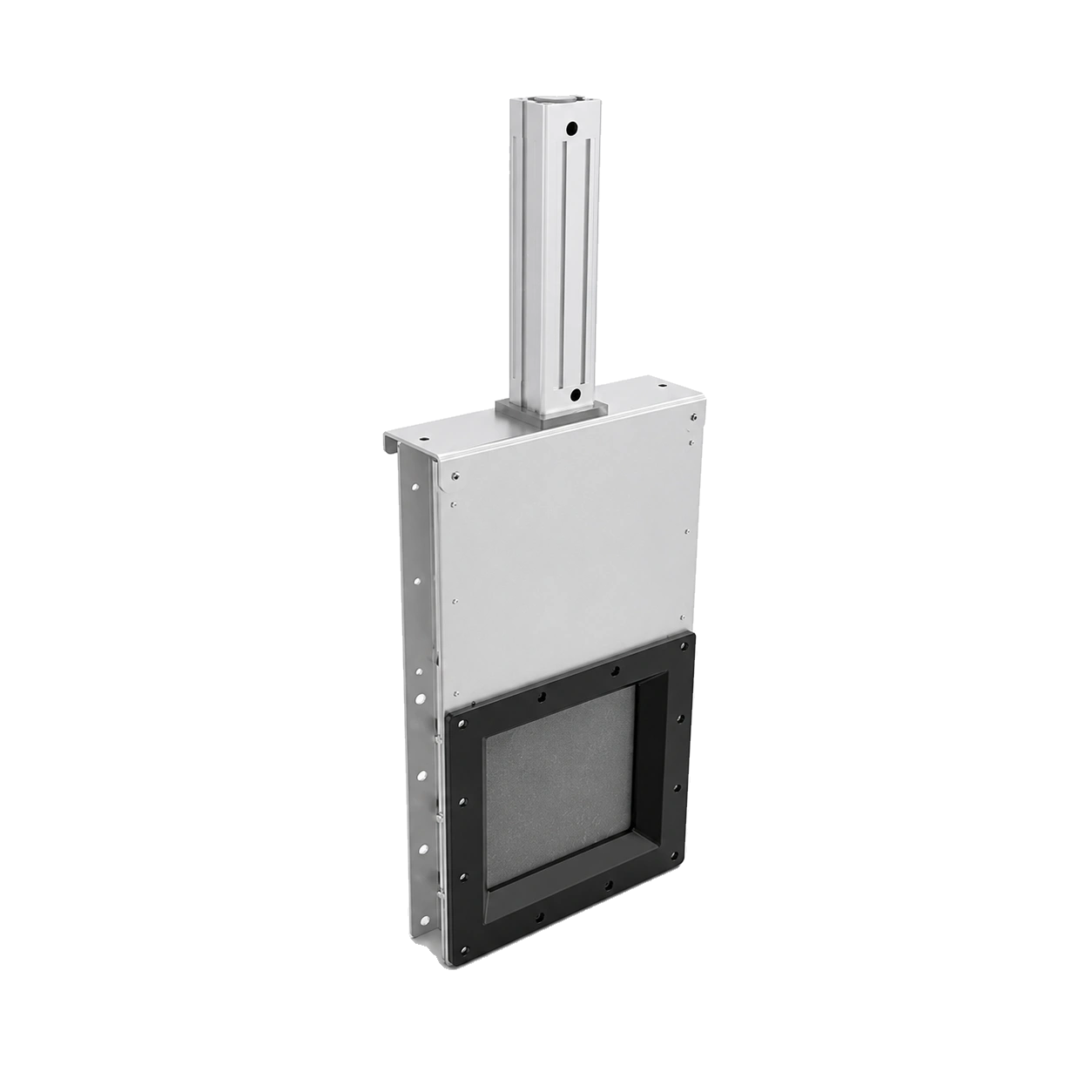
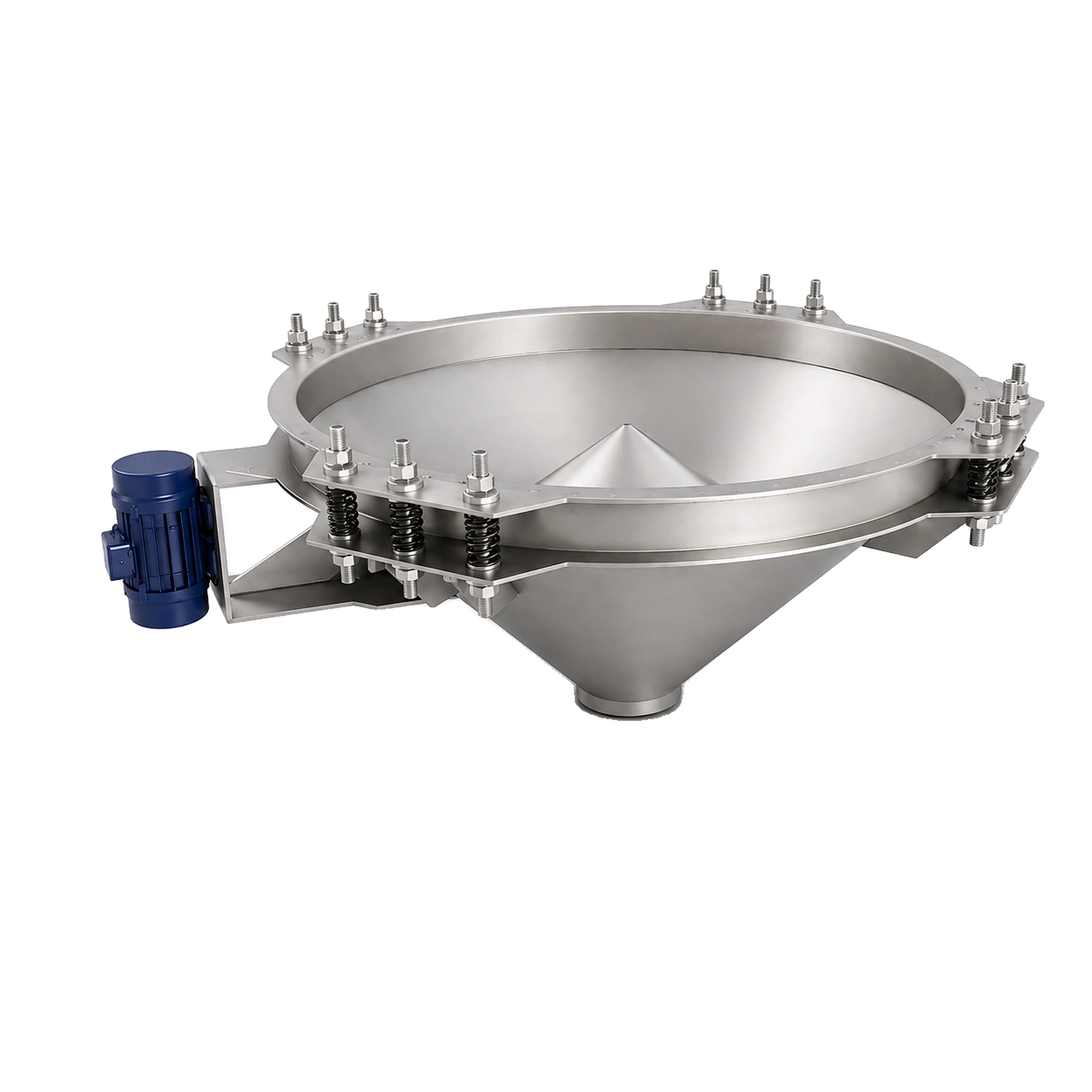
Bin activators for silo and hopper discharge. Assess bridging, material flow, outlet geometry and downstream feeding before requesting a quotation.
Technical page & enquiry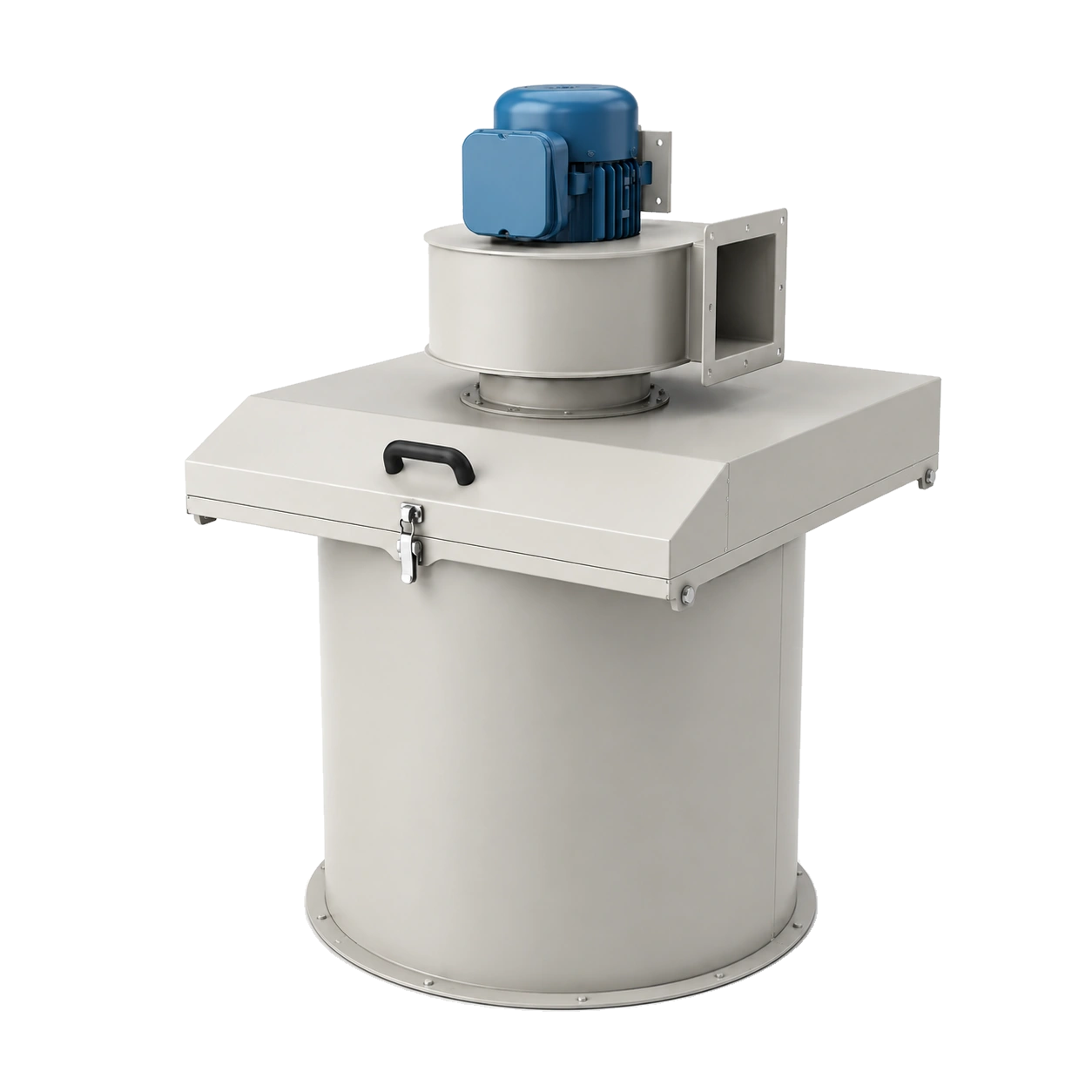
Fan-assisted silo filters for powder storage ventilation. Specify airflow, pressure loss, cleaning and controls. Compare options and request a quotation.
Technical page & enquiry