



Shipment
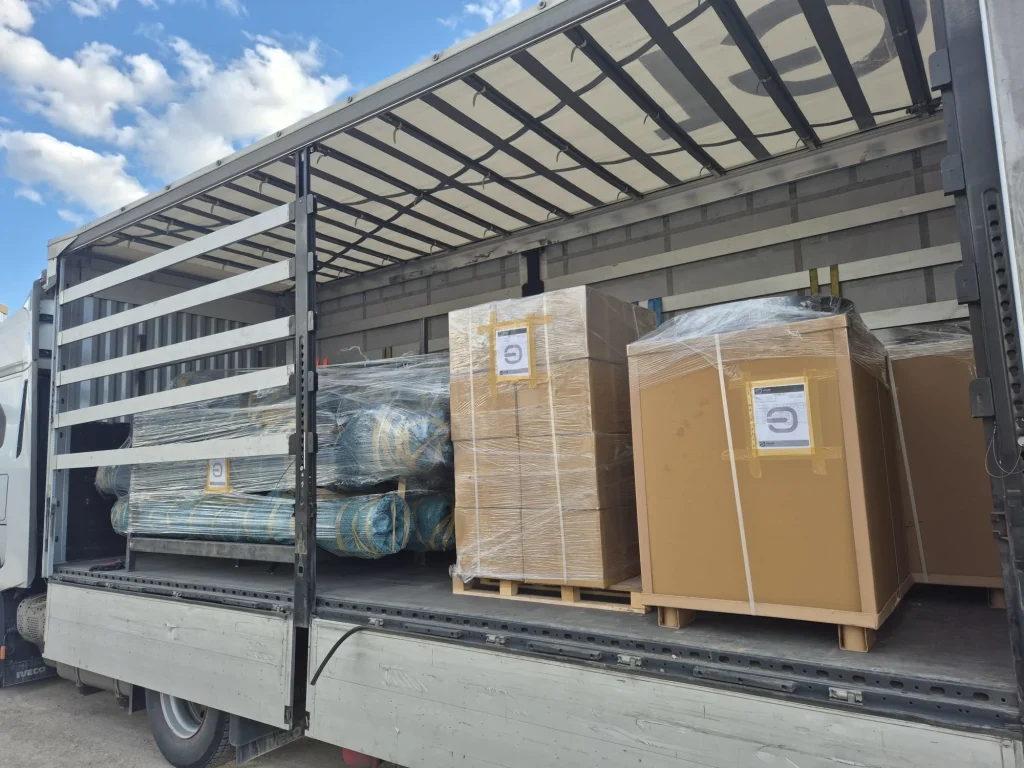
Screw conveyors prepared for shipment
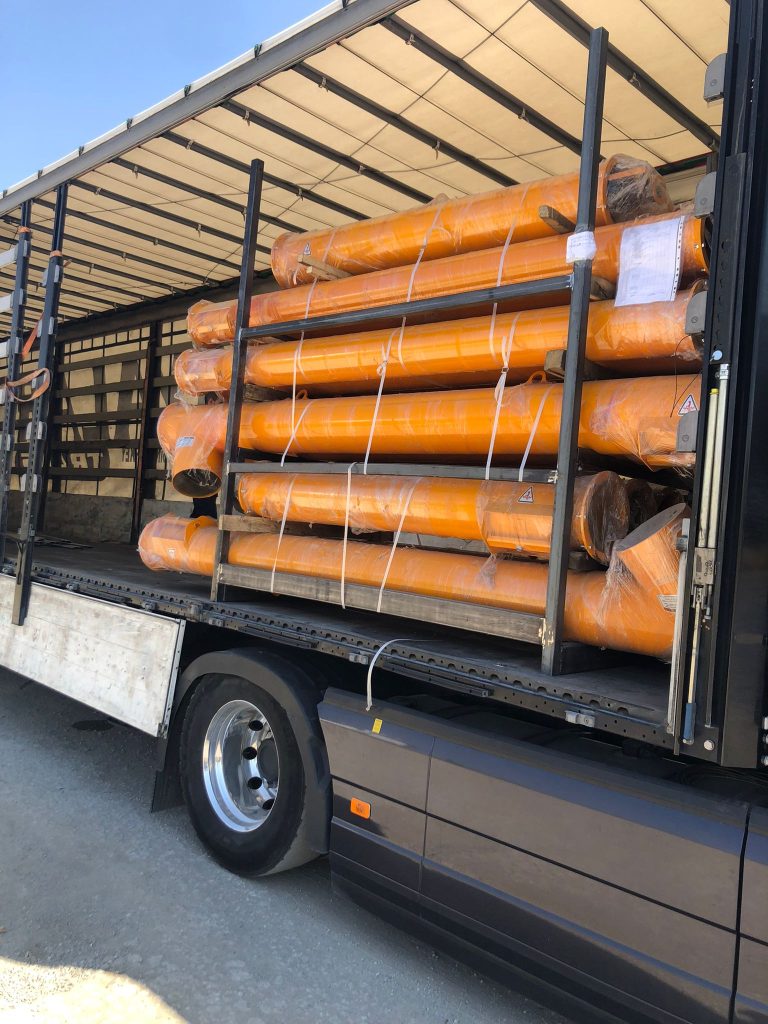
Wrapped screw conveyors and packaged equipment loaded on a truck.
View photographs →
Industry
From tanker filling and storage to controlled feeding and bulk loading: explore equipment for batching plants, terminals and cement handling.

Follow the material through five handling steps. Open the equipment pages to examine each part of the route.

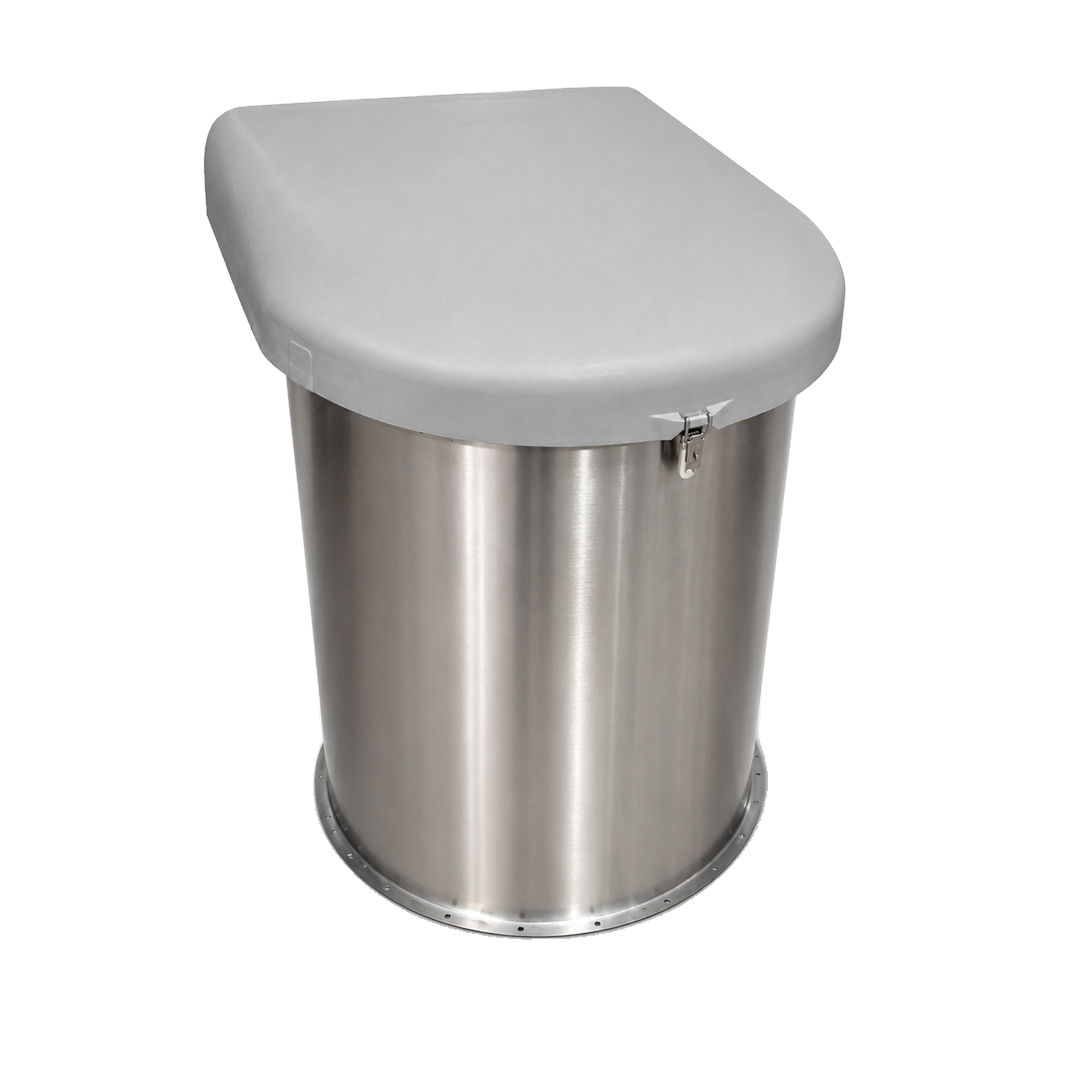
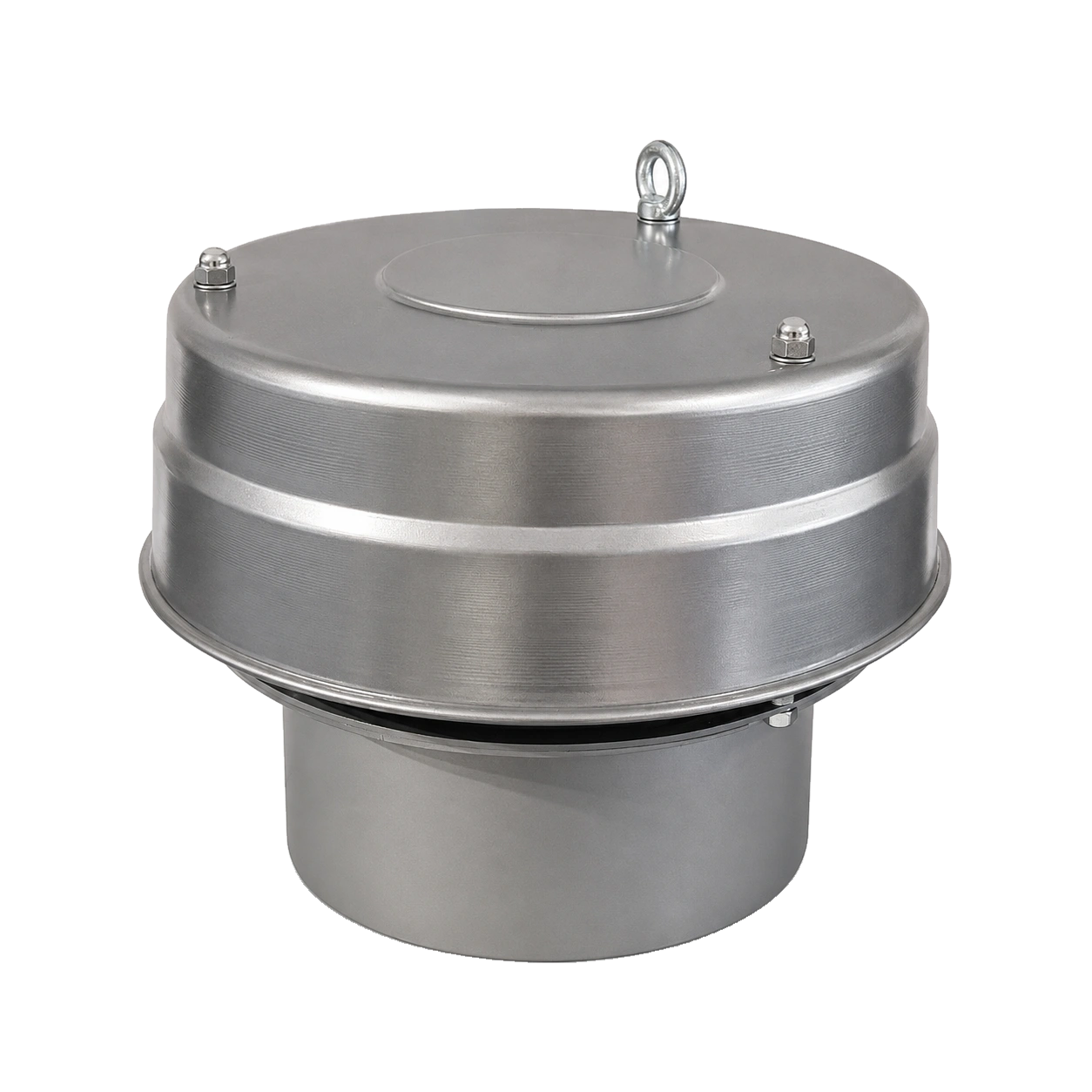
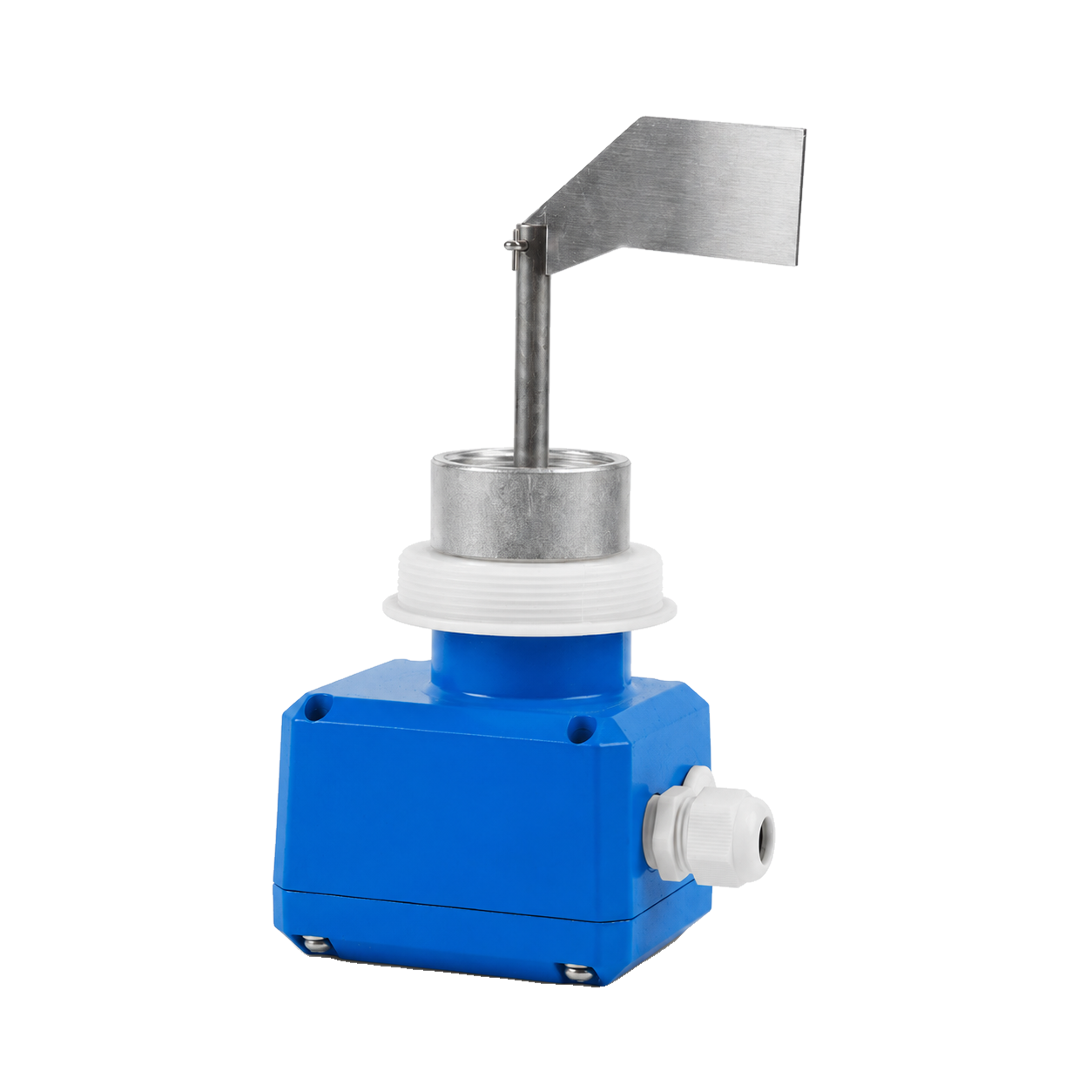
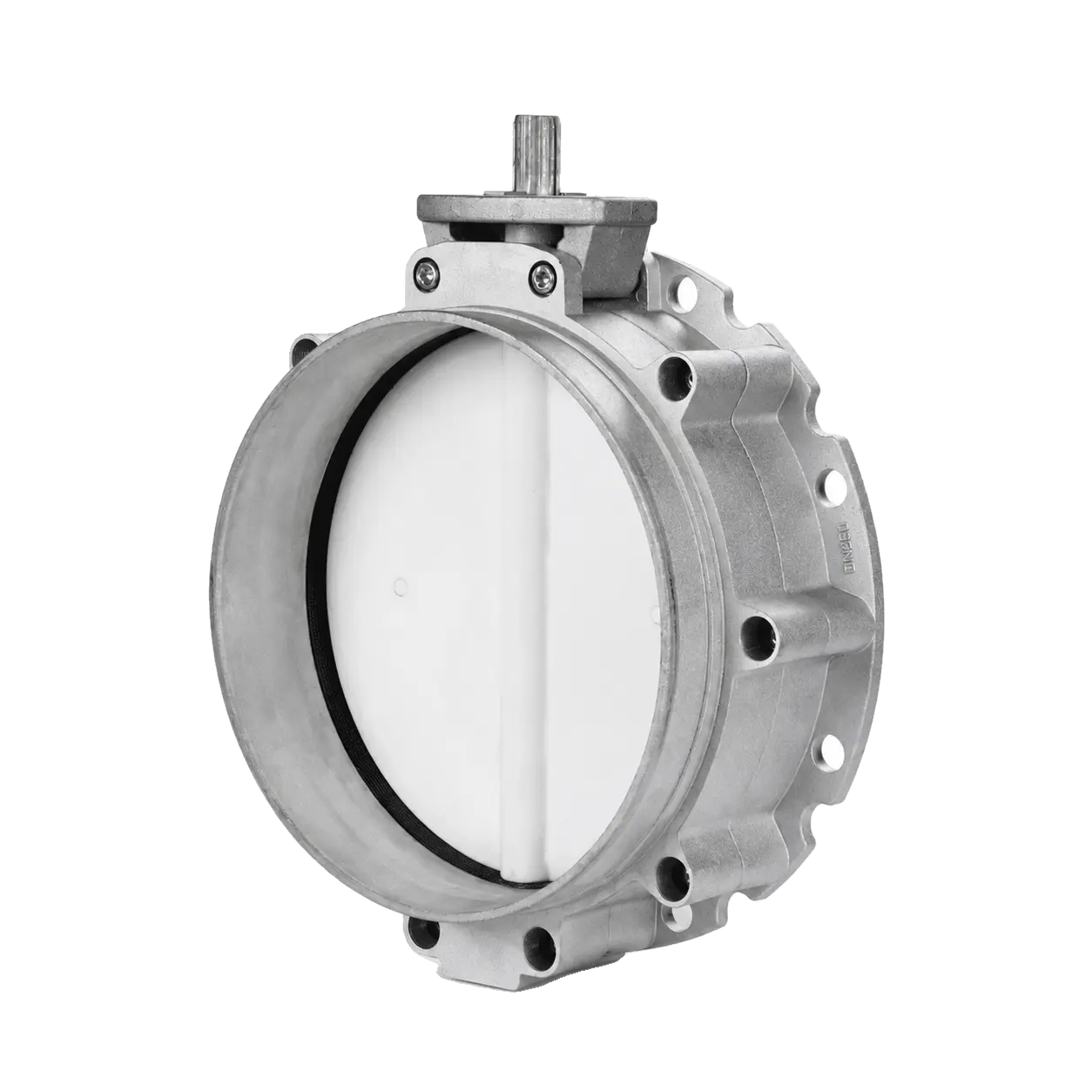
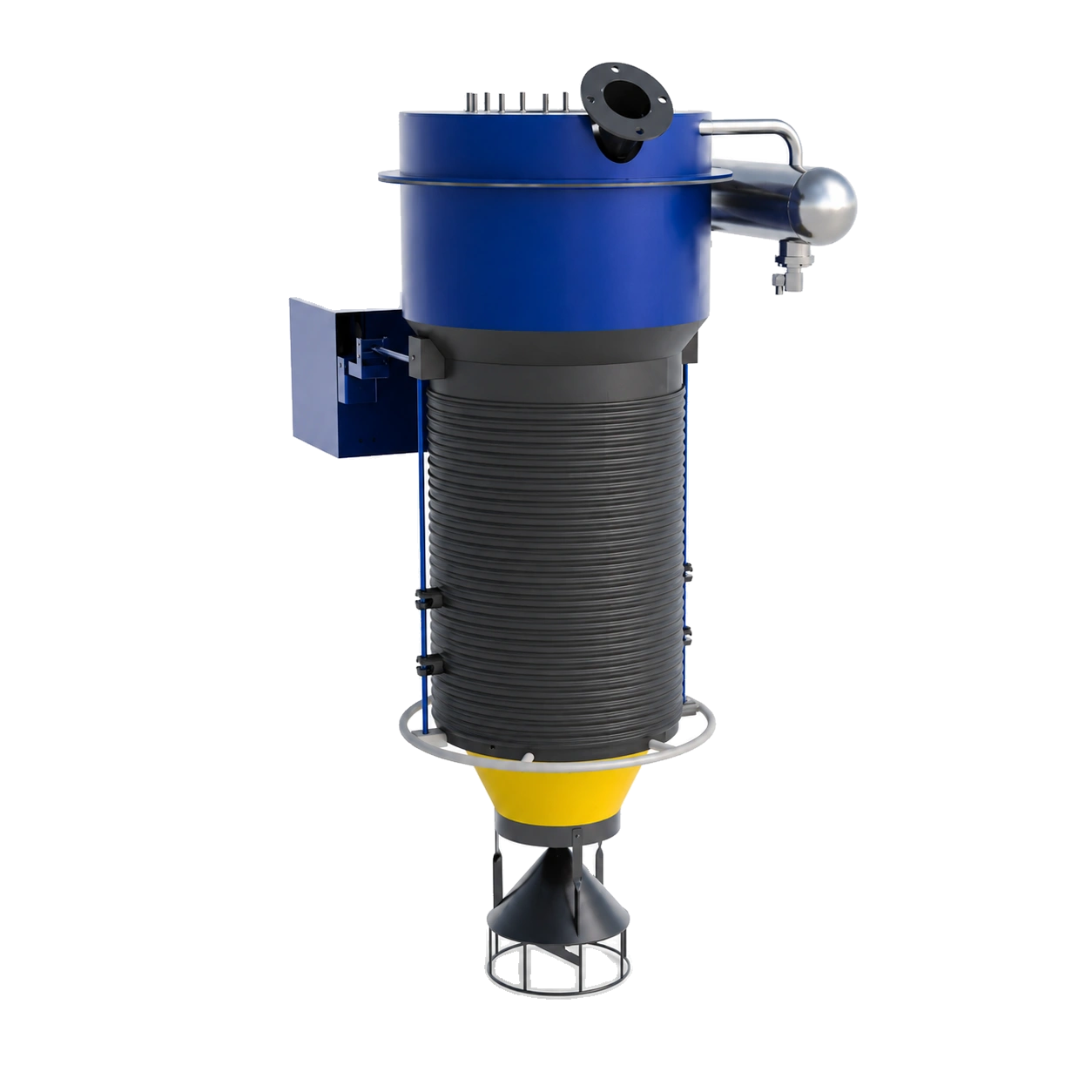
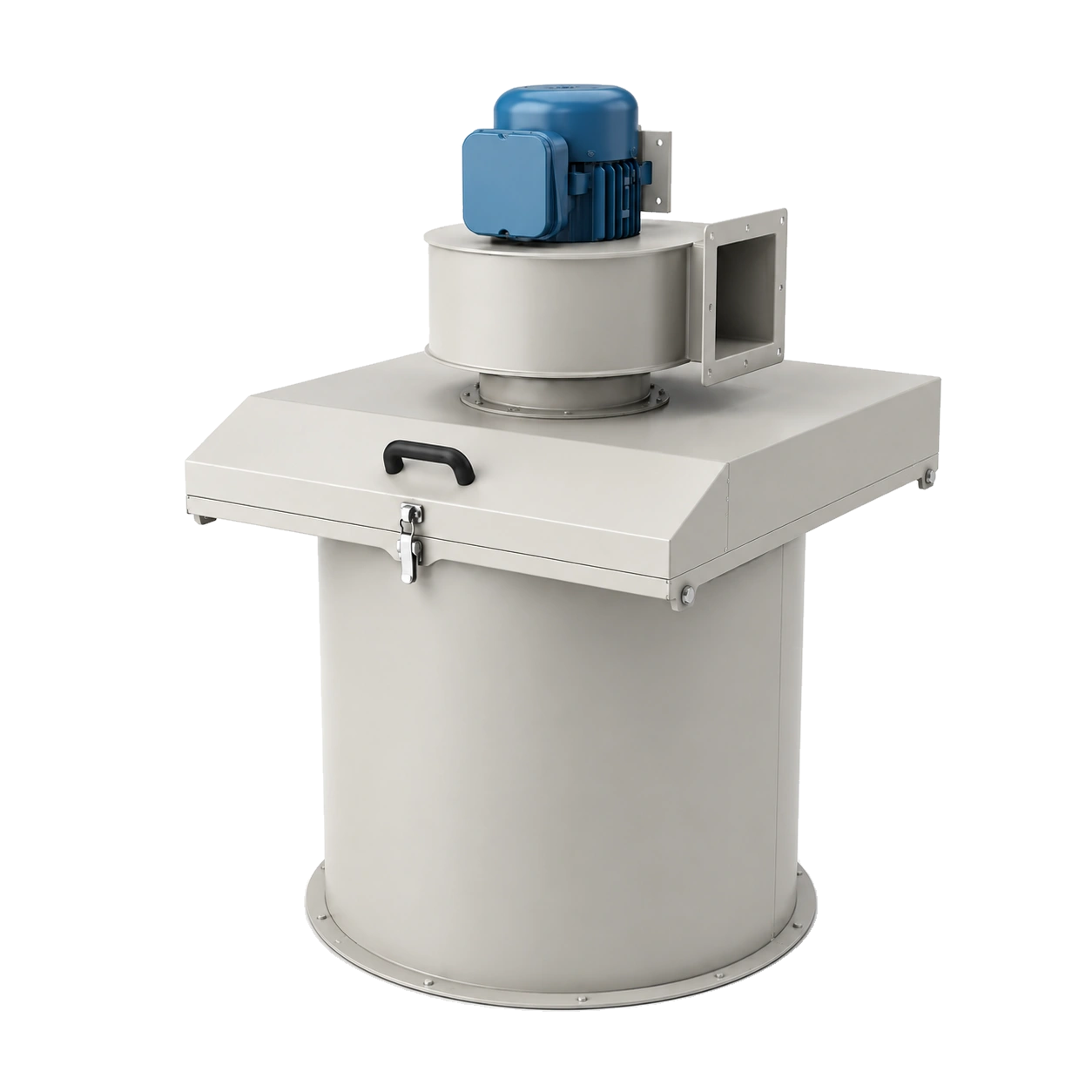
Displaced air needs a venting path during tanker filling. Filtration, level indication and pressure protection perform different tasks.
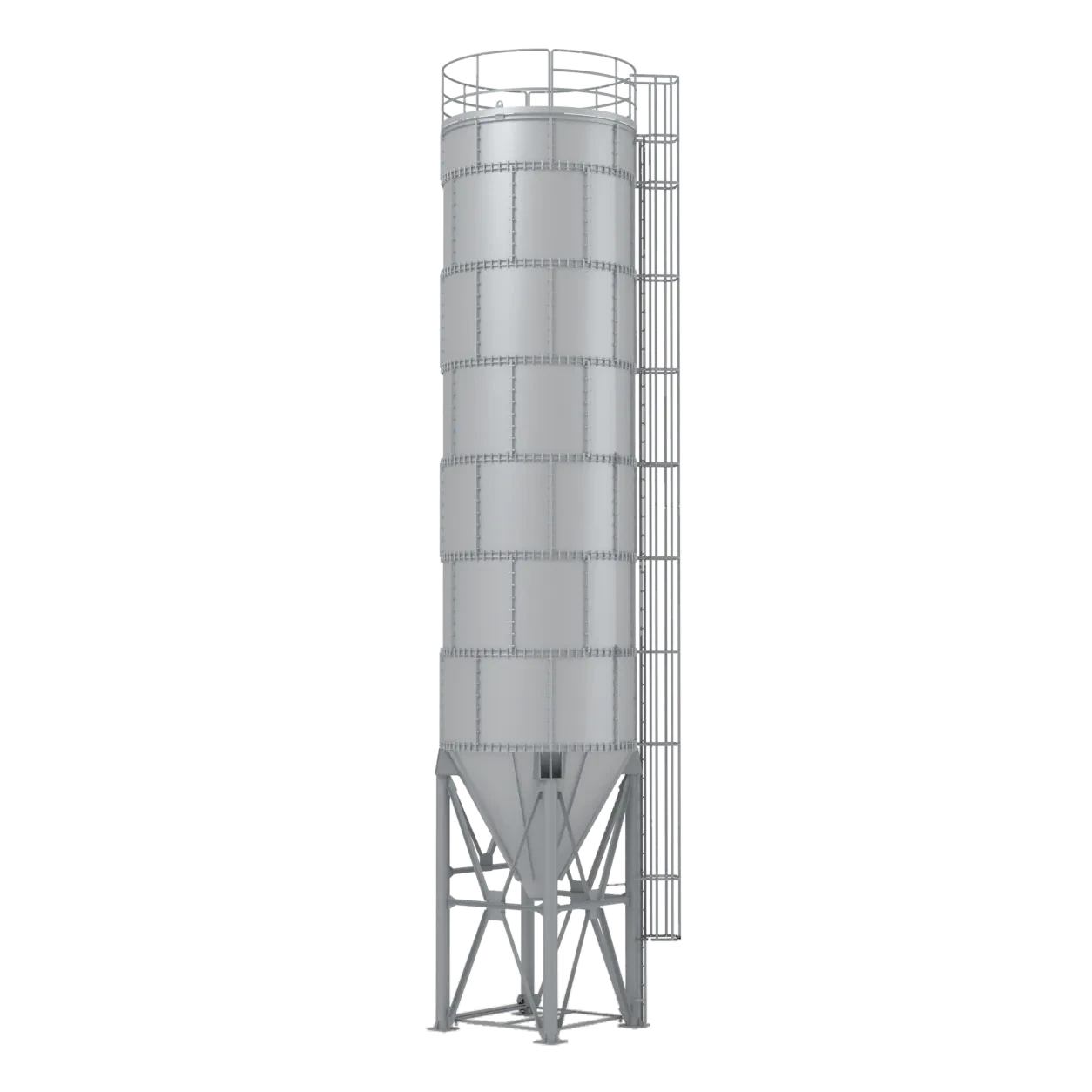
Select silo capacity and construction around the material, site layout, transport and assembly constraints.

Assess the powder and outlet before selecting flow aids. Valves control the material path; they do not resolve every flow problem.
The conveyor, feeder and weighing system must be assessed together. Transfer capacity alone does not establish dosing accuracy.
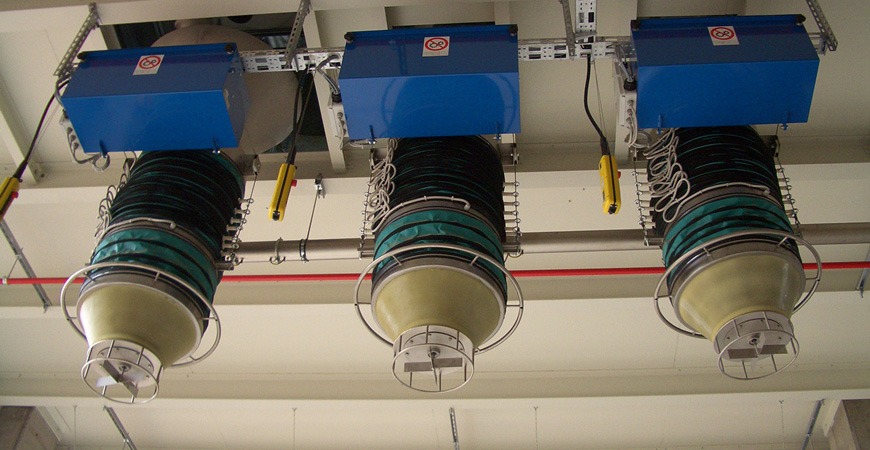
Bring the outlet closer to the receiving vehicle and assess dust extraction with the loading arrangement.
A big-bag discharge station or sack tipping station receives packaged powder and releases it into a hopper. A screw feeder or pneumatic conveying line can then transfer it towards storage or process equipment. Dust collection is considered at the unloading point.
Pressure or vacuum conveying moves powder through a pipeline between a receiving point, silo or process. The arrangement combines the material feed, air supply, conveying pipe and receiving separation or filtration. Route, material behaviour and operating duty determine the appropriate approach.
A batching arrangement brings feeding, weighing and the receiving process together. Stored powder is fed to weighing equipment before transfer to the next process. A conveyor's transfer capacity does not by itself establish batch accuracy; the feeder, weighing equipment and control sequence must be assessed together.
A transfer facility connects incoming cement with its onward transport or packaging route. The arrangement can bring together big-bag discharge, temporary storage, bulk-vehicle loading or bagging. A mobile truck-loading arrangement is another option when the loading point needs to move.
Start with the part you need to change. Send the existing equipment identification so dimensions and connections can be checked.
Choose the symptom or selection question. Each article explains what to check and which equipment may be involved.
Cement in numbers
These are the values our calculators use for cement, with three worked examples. They are preliminary figures for a first discussion, not a design.
Silo size
40 t per day, 5 days of stock
200 t needed → one Ø3.9 × 12 m silo holding about 204 t
Size your siloSilo-top filter
Tanker filling at 60 t/h
about 1,615 m³/h of air → 22.4 m² filter area → EQPFILL 25
Check your filterScrew conveyor
Ø273 tubular screw, 8 m long, 15° inclined, 80 rpm
about 20.9 t/h with a 4 kW motor
Calculate conveyor capacityFROM OUR PHOTO ARCHIVE
Explore the equipment in workshop, shipment and installation photographs. These images illustrate equipment, not a complete project specification.
Shipment
Wrapped screw conveyors and packaged equipment loaded on a truck.
View photographs →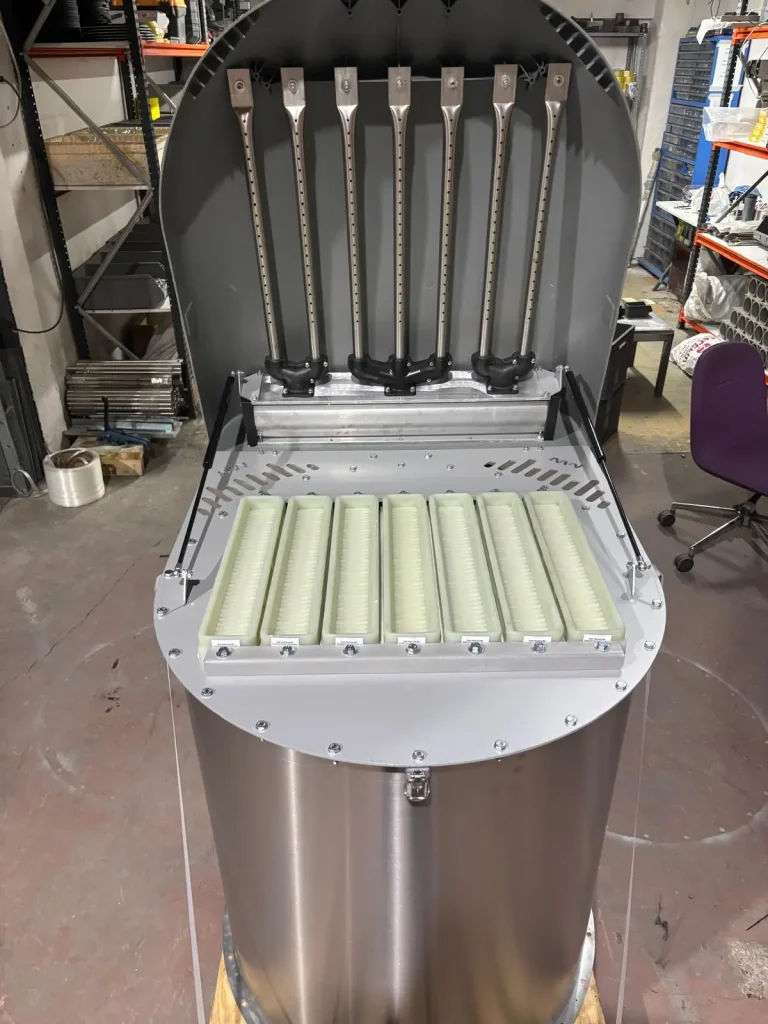
Workshop
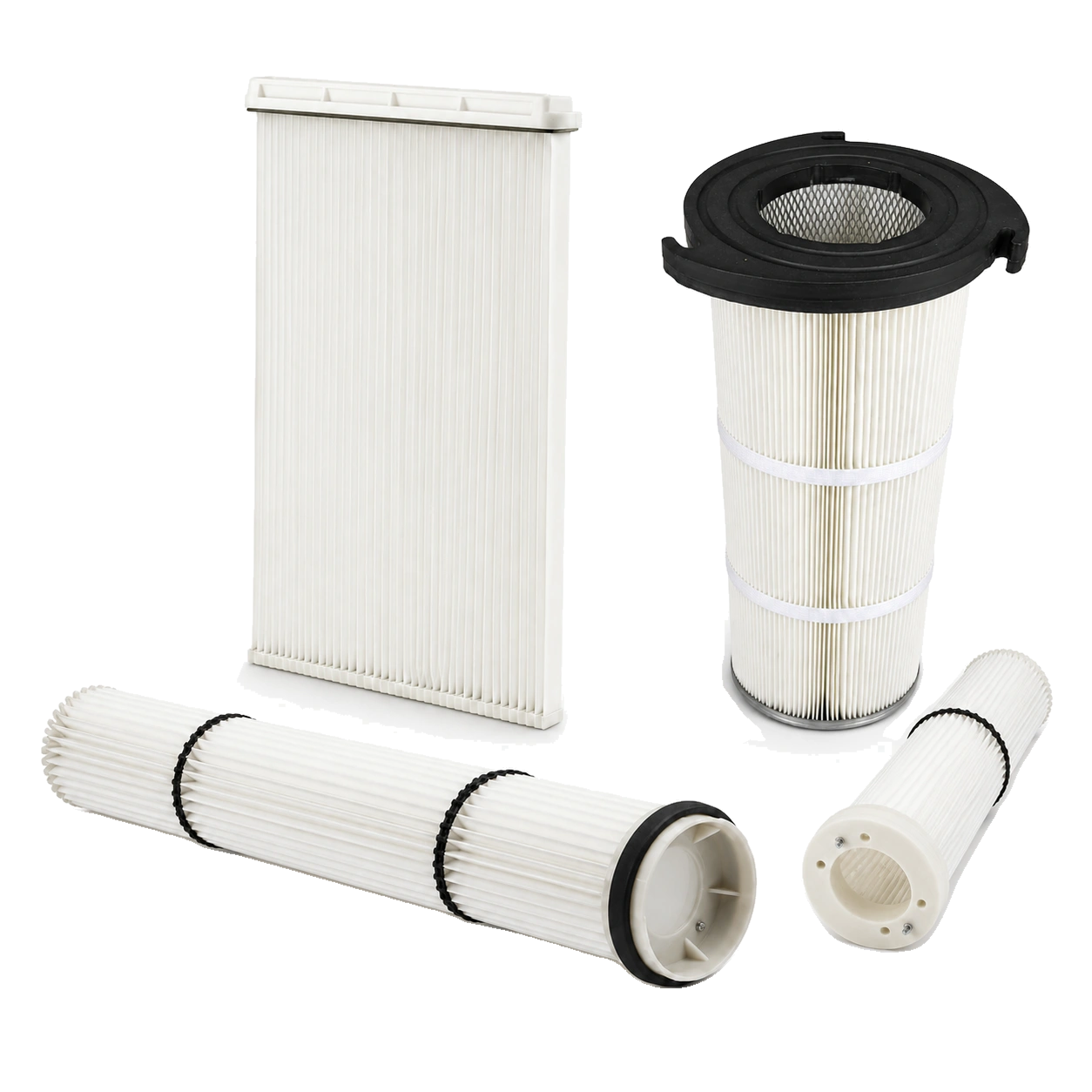
The open filter cover shows the filter elements and cleaning assembly in the workshop.
View photographs →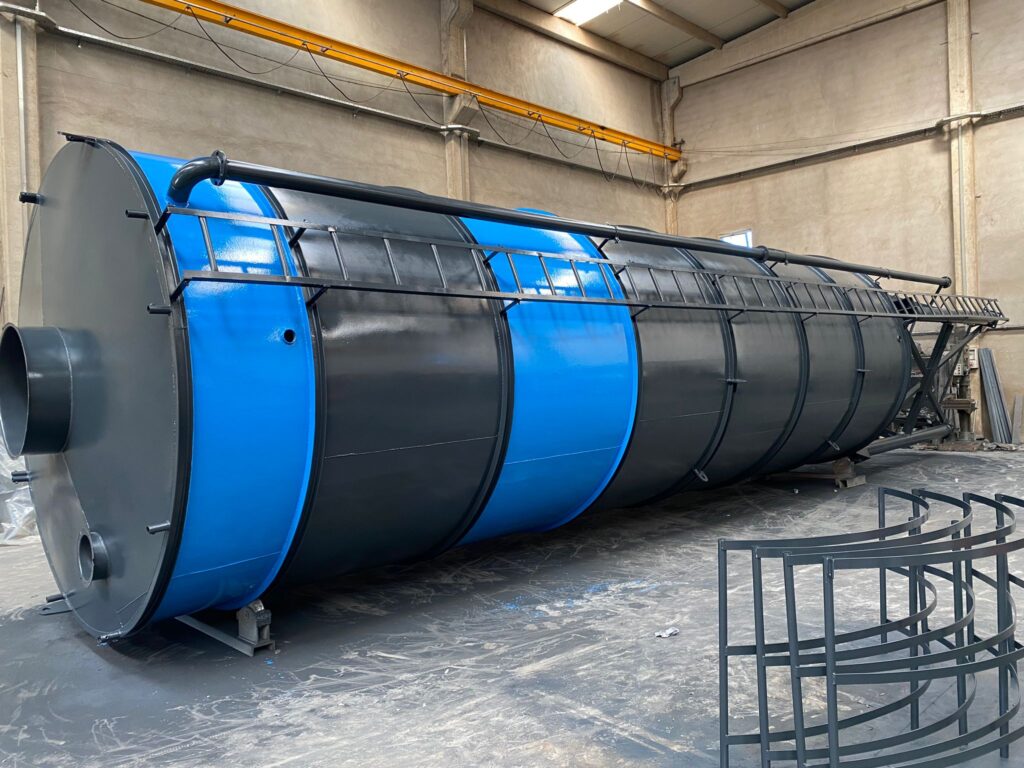
Workshop
A horizontal silo body with its ladder, pipework and access components visible.
View photographs →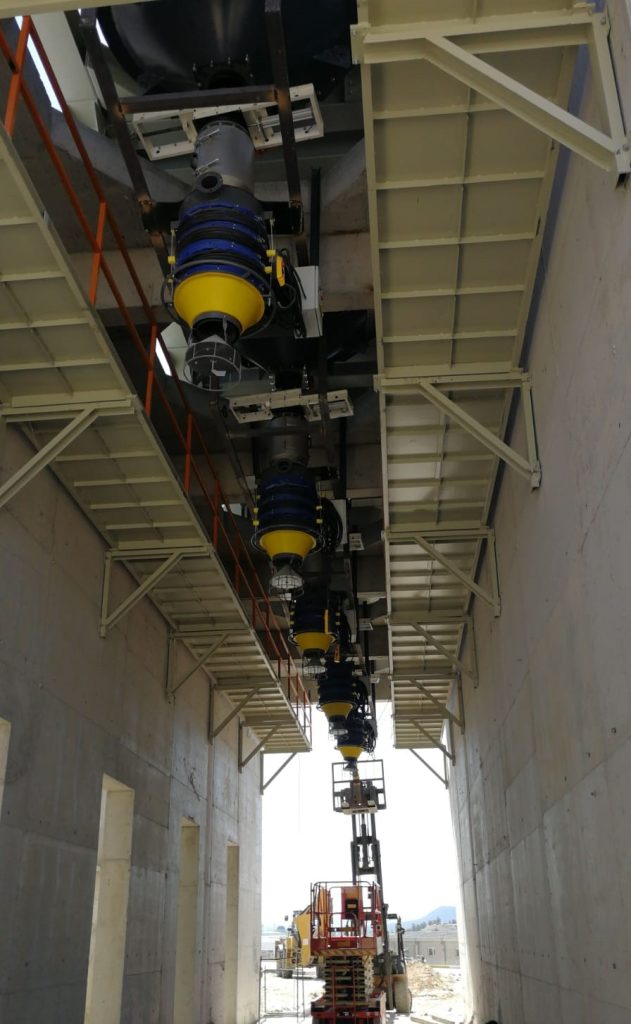
Installation
Loading bellows installed below a steel platform, shown with their surrounding structure.
View photographs →No photographs match this selection.
Shipment
Wrapped screw conveyors and packaged equipment loaded on a truck.
Related solution: Choosing a screw conveyor starts with the material →
Discuss a similar requirement →Workshop
The open filter cover shows the filter elements and cleaning assembly in the workshop.
Related solution: Filter pressure drop is rising: what should you record? →
Discuss a similar requirement →Workshop
A horizontal silo body with its ladder, pipework and access components visible.
Related solution: When a silo will not discharge consistently →
Discuss a similar requirement →Installation
Loading bellows installed below a steel platform, shown with their surrounding structure.
Related solution: Dust at truck loading: choose the interface, not just the bellow →
Discuss a similar requirement →Material and daily consumption, required storage and throughput, route length and height, site layout, and photographs of existing equipment.
Welded silos arrive as a body, subject to transport limits. Bolted silos arrive in sections and require site assembly. Access, lifting and available space affect the choice.
Connections, supports, operating loads, controls and the existing process must be checked before an addition or replacement is specified.
Send a clear nameplate photograph, model and serial number, dimensions, and photographs of the part and its connection. Appearance alone does not confirm a match.
Capacity is the silo volume multiplied by the bulk density. With 1.30 t/m³, a Ø3.9 m silo with a 12 m body holds about 204 t. The silo capacity calculator sizes a silo from your daily consumption and days of stock.
The filter is sized from the air the tanker blows in, not from the silo size. At 60 t/h and a normal air volume, about 1,615 m³/h of air needs roughly 22 m² of filter area. You can check your own filling rate in the filter calculator.
It depends on the capacity, length and inclination. As an example, a Ø273 tubular screw, 8 m long at 15° and 80 rpm, conveys about 21 t/h of cement with a 4 kW motor. Inclination reduces capacity; length changes motor power.
Share your requirements so we can discuss storage, conveying and dust handling together.
Request an equipment list →


