
What is actually being measured?
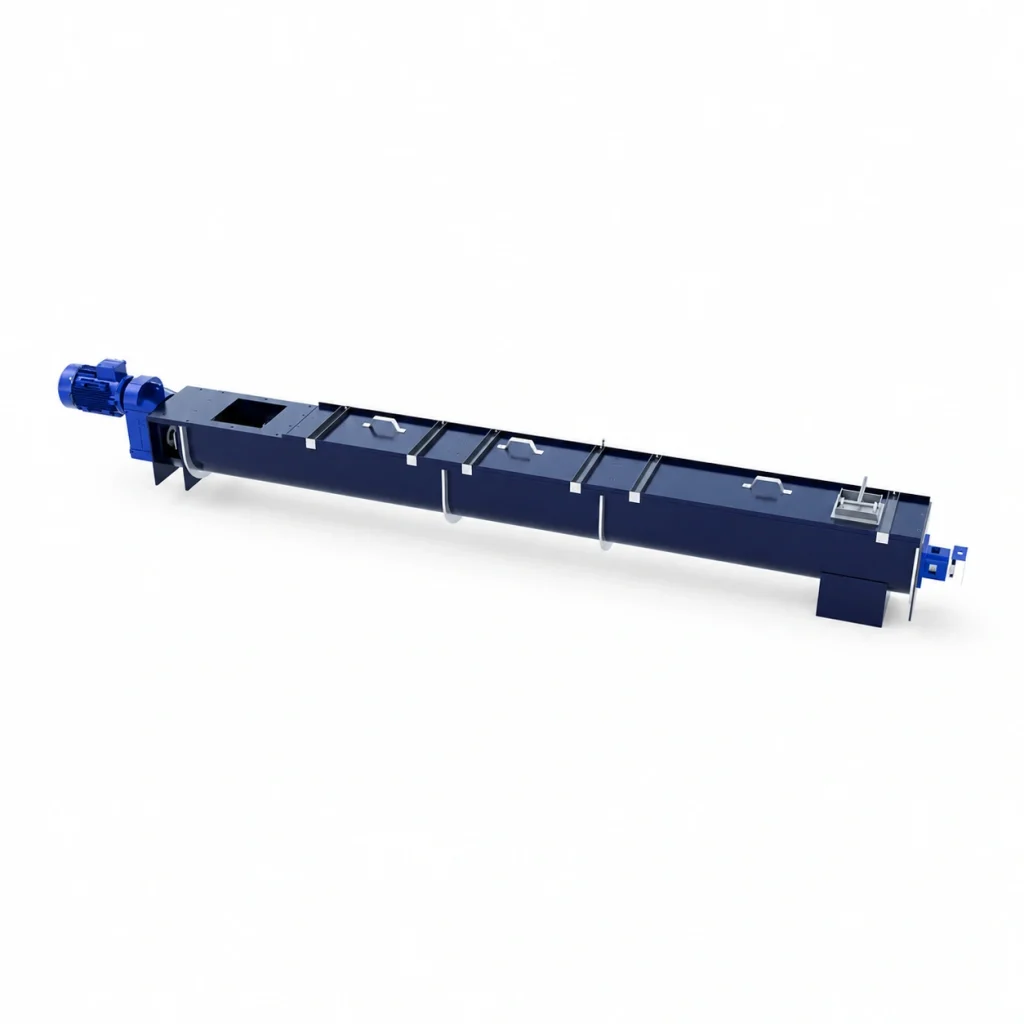
A volumetric feeder delivers an estimated volume per revolution or unit of time after calibration. If bulk density or filling changes, the kilograms delivered can change even at the same speed.
A gravimetric arrangement uses a weight signal. In gain-in-weight batching the receiving vessel is weighed; in loss-in-weight feeding the feeder assembly is weighed and its decrease in mass is used to control delivery. Batch accuracy and continuous-flow stability are different performance measures.
Write the recipe requirement as a testable target
For example, a 100 kg batch containing 2% additive needs 2 kg of that additive. The allowable error must be specified for that 2 kg dose, not hidden inside the tolerance of the complete batch. State whether tolerance is an absolute mass or a percentage, and over which sampling period it applies.
Also give the minimum dose, largest batch, cycle time and number of ingredients. A system that handles the largest ingredient may not resolve the smallest addition adequately.
The weighing environment is part of the equipment
Rigid connections, vibration and pressure changes can influence a weighing signal. Supports and flexible connections must be designed to avoid imposing uncontrolled forces. Loss-in-weight refill needs its own control strategy because added material interrupts the normal decreasing-weight signal.
For batching, coarse and fine feed stages and material still falling after stop affect the final weight. Test the full cycle, including refill and changeover, with representative material.
For a quote
Where each approach can make sense
Stable-density pellets may suit calibrated volumetric feeding when the tolerance allows it. Variable-density powders, costly additives or tightly controlled formulations can justify gravimetric control. Neither method eliminates poor flow at the inlet.
For food and feed, define cleaning and recipe traceability. For chemicals, cement additives and plastics, provide density variation, smallest addition and dust or compatibility requirements. Send the recipe table, material data, target tolerances and available cycle time.
Send the material data and a photograph or layout of the installation so we can define the equipment and connection requirements.


