 ATEX
Rotary valves
Requirements to review
- Explosion isolation (non-return)
- Earthing and continuity
- Certified motor and sensors
- Dust-tight seals
- Speed and blockage monitoring

ATEX · Dust explosion protection
Planning rotary valves, slide gates, diverter valves or bin activators for a combustible dust area? Share your material, zone classification and operating conditions. Suitability and documentation must be confirmed for the specific equipment and application.
Start your ATEX project enquiry
Choose a material, a zone and at least one piece of equipment.
Opens the enquiry form with these details filled in. Nothing is sent until you press send there.
These product families can be included in your enquiry. This list does not confirm an ATEX version or suitability for a particular zone.
ATEXRequirements to review
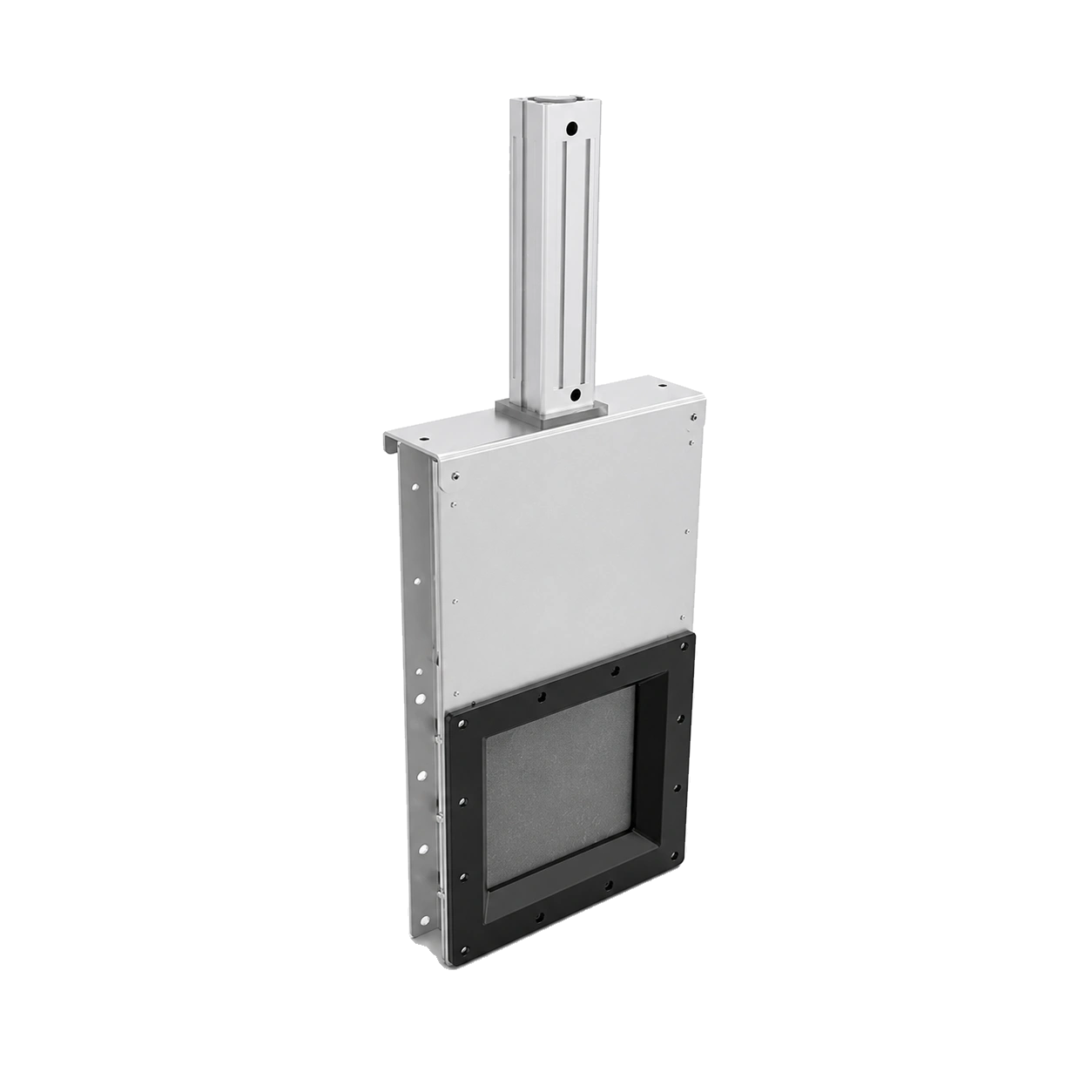 ATEX
Requirements to review
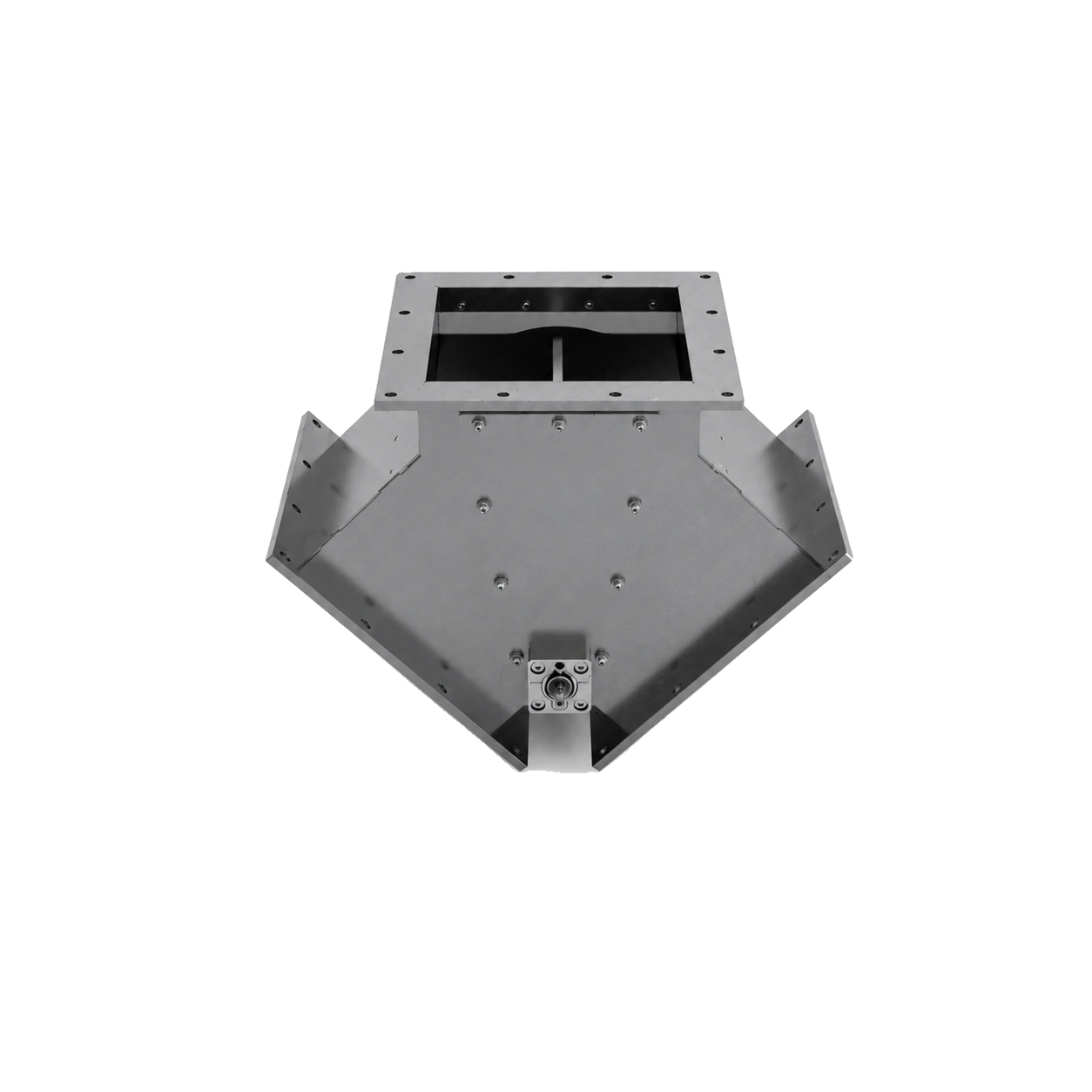 ATEX
Requirements to review
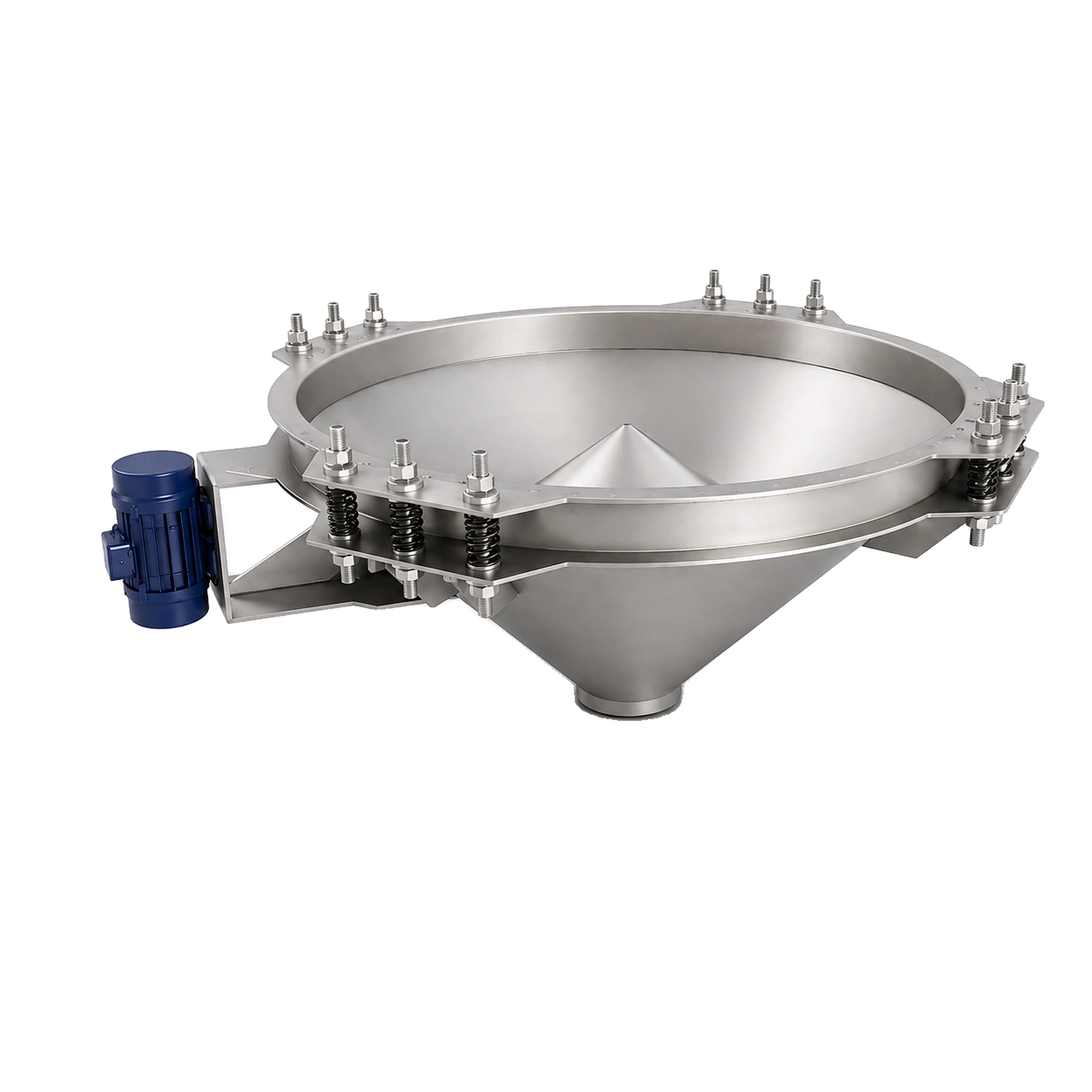 ATEX
Requirements to review
The measures listed are topics for technical review, not a declaration of conformity or confirmation of explosion isolation performance.
Pick your sector to start the quote with its typical dust.
What the terms mean, for when you prepare your enquiry.
A zone states how often an explosive dust cloud is present. Your plant's classification decides; the places below are only where each zone is commonly found.
The marking on a motor, sensor or other component tells you where it may be used. An example for non-electrical equipment in a dust zone:
II2DEx hIIICT125 °CDb
These values come from a laboratory test of your own dust. Table values from books are only a first indication.
No. Cement is not combustible. In cement plants the explosion risk comes from coal and petcoke dust in fuel handling, and from some organic additives.
Contact eQUIP for a project-specific review. Availability, zone suitability, equipment marking and applicable documentation must be confirmed for each model and configuration before supply.
The operator of the plant. The classification and the explosion protection document are the employer's duty under Directive 1999/92/EC; equipment placed in a zone falls under Directive 2014/34/EU.
Your classification document decides. The inside of silos, filters and enclosed conveyors handling combustible dust is commonly classified as Zone 20.
You can start with the material name and its condition. A laboratory test of your own dust gives the values a final configuration needs, because fineness and moisture change them.
We review your requirements and clarify the equipment scope and supporting documentation.


